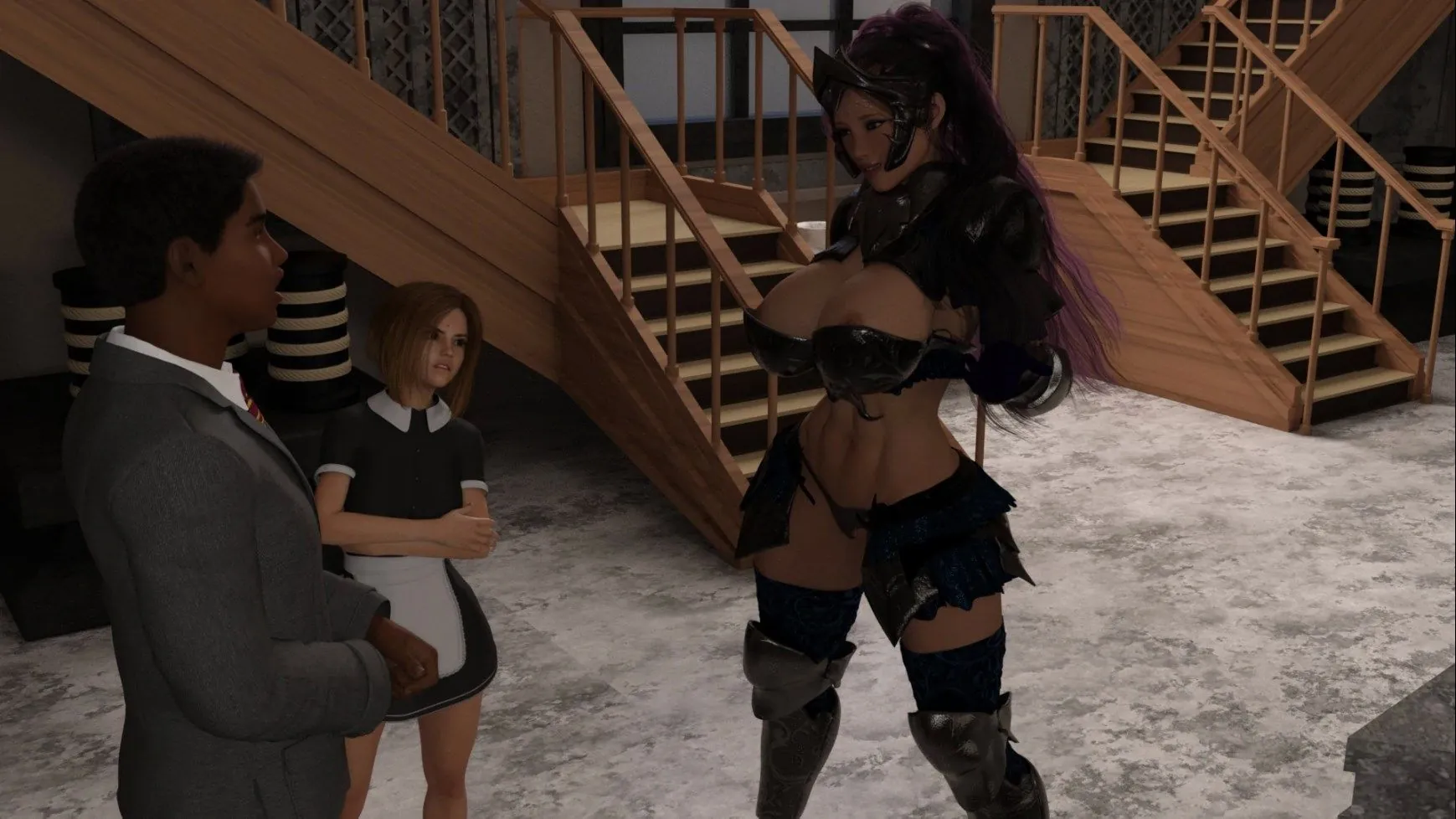
Meeting
Play Meeting
Meeting Screenshots






Meeting review
Unlock immersive interactions and personalized paths in this captivating adult visual novel
Ever felt the thrill of a single conversation choice reshaping your entire world? That’s the magic of Meeting, the adult-themed interactive game by Karabinek in version 0.75. This isn’t your average visual novel—it’s a deep dive into dynamic dialogues, relationship building, and time-savvy decisions that lead to unique stories and intimate encounters. I remember my first playthrough: a flirty remark locked me out of one path but opened a steamy secret route. If you’re ready to craft your own adventure in Meeting, this guide shares everything from core mechanics to pro tips. Let’s explore why Meeting keeps players coming back for more personalized journeys.
What Makes Meeting Gameplay So Addictive?
I still remember the moment my entire playthrough of Meeting shifted. I was on a second coffee date with Sloane, the enigmatic artist with a guarded smile. The conversation turned to her past, and the game presented me with three Meeting dialogue choices: a flippant Joke, a probing Question, or a gentle Sympathize. I almost clicked Joke to lighten the mood, but something in her pixel-perfect expression made me pause. I chose Sympathize. What followed wasn’t just a new line of text; it was a floodgate opening. She shared a vulnerability I hadn’t seen before, my Affinity with her spiked in Trust, and it unlocked an entire subplot about her creative block that became central to our relationship. That’s the magic of Meeting gameplay—it makes every conversation feel consequential, like you’re truly steering the ship of your own story. 🚢
This isn’t a novel where you’re just reading a predetermined path. What is Meeting game mechanics at its core? It’s a brilliant framework of player agency, where your choices in dialogue, time, and self-definition weave a narrative that feels uniquely yours. If you’ve ever wondered how to play Meeting game to get the most out of it, you’re in the right place. Let’s dive into the systems that make this experience so utterly absorbing.
How Dialogue Choices Shape Your Meeting Paths
The heart of Meeting beats in its conversations. Gone are the simple “Good” or “Evil” binary picks. Here, you navigate with emotional intelligence, using tones like Flirt, Joke, Sympathize, Challenge, or Support. Each character has their own psychological profile—what works on Leo, the confident entrepreneur, might backfire spectacularly with River, the thoughtful librarian.
Every Meeting dialogue choice does more than just get you to the next line. It directly influences how a character perceives you. Choosing Challenge might raise Respect but lower Attraction. A well-timed Flirt could build intimacy, but used poorly, it can come off as sleazy and damage Trust. The game doesn’t hold your hand; it forces you to read the room, just like real life. I learned this the hard way when I tried to Joke during a serious moment with my character’s boss—it cost me a promotion opportunity down the line! 😅
This system creates incredible replay value. Revisiting a key scene and choosing a different tone can send your story spiraling in a wildly new direction, unlocking scenes and endings you never knew existed. Mastering these conversations is the first step to mastering Meeting gameplay.
Mastering the Affinity and Time Management Systems
Dialogue builds your relationships, but two other pillars support your entire journey: the Meeting affinity system and Meeting time management. Think of them as the hidden architecture of your world.
The Meeting affinity system is a beautiful, complex beast. It’s not a single bar you fill up. Instead, it’s a hidden matrix tracking three core stats for each major character: Trust, Respect, and Attraction. Your dialogue and actions feed into these stats independently. You might have max Attraction with someone but zero Trust, leading to a passionate but volatile relationship. Certain story thresholds and exclusive scenes require specific balances of these stats. Unlocking Sloane’s final artwork showcase, for example, required a high level of both Trust and Respect, not just romance.
But you can’t just talk all day! This is where Meeting time management comes in. Your days are divided into blocks, and you have limited Energy to spend. Do you hit the gym (improving Stamina for certain events), work a shift (boosting Finance), or call a friend to socialize (potentially raising a skill or affinity)? 🏋️♂️💼🍻
This is the strategic layer of how to play Meeting game. Balancing your resources is crucial. Neglecting your Work actions might leave you too broke to afford a crucial date option. Ignoring Personal development might mean you lack the required Skill to help a friend in need. A day in my life looked like: Morning Work Block (grind Finance for that fancy dinner), Afternoon Social Block (coffee with Leo to build network), Evening Personal Block (read a book to boost Intelligence). Every choice moves you toward a different version of your character’s life.
| System | How It Works | Player Impact |
|---|---|---|
| Dialogue System | Presents conversation options based on emotional tones (Flirt, Joke, Sympathize, etc.) that respond to character context. | Directly shapes character perceptions, unlocks branching story paths, and influences the hidden Affinity matrix. |
| Affinity System | Tracks three independent stats (Trust, Respect, Attraction) per character based on player choices and actions. | Determines long-term relationship outcomes, access to exclusive scenes, and defines the qualitative nature of each bond. |
| Time Management | Allocates limited daily Time and Energy blocks to actions in categories like Work, Social, and Personal. | Governs skill progression, financial state, event availability, and creates constant strategic trade-offs. |
Customization Secrets for Deeper Immersion
Now, for the secret sauce: Meeting customization options. This goes beyond picking a name or an avatar. At the start, you define your character’s core personality traits, such as Charismatic, Ambitious, Cautious, or Empathetic. This isn’t just flavor text—it actively filters the Meeting dialogue choices you see. My “Ambitious” character often had options to network or discuss career goals that my “Cautious” playthrough simply didn’t. It ensures your choices feel authentic to the person you decided to be.
You can also influence your starting stats in skills like Charm, Intelligence, or Creativity, and even your financial footing. These initial Meeting customization options set the stage for your entire journey, making each playthrough feel distinct from the ground up. Want to play a struggling artist focused on creativity and emotion? Or a savvy businessperson climbing the corporate ladder? The foundational tools are in your hands.
The beauty of Meeting gameplay is that there’s no single “right” way to play. Your imperfect choices, your missed connections, your personal priorities—they all become the story.
Here are five practical tips I wish I knew when I started:
- Balance Your Daily Actions: Try to touch on Work, Social, and Personal actions regularly. It keeps your skills and options growing evenly.
- Save Often, and in Multiple Slots: Before big conversations or decisions, create a new save. This lets you explore consequences without regret.
- Experiment with Tones Early: In the first few chapters, try different dialogue tones with characters to learn their personalities. A failed joke early on has fewer consequences than one later!
- Replay Key Scenes: If a scene feels pivotal, replay it from your save with a different tone. You’ll be amazed at the diverging paths.
- Embrace Your Traits: Lean into the personality you chose. The Meeting customization options are there to create a coherent story, so let your Charismatic character flirt or your Cautious one hold back.
Ultimately, what is Meeting game mechanics but a set of tools for emotional and narrative engineering? The addictive pull comes from seeing the direct, meaningful impact of your choices. You’re not just watching a story about relationships and ambition; you’re architecting it, one delicate choice, one managed hour, and one customized trait at a time. The Meeting affinity system ensures relationships have depth, the Meeting time management demands thoughtful strategy, and the Meeting dialogue choices give you the voice to express yourself. It’s this powerful trilogy that makes exploring every Meeting gameplay path, from the heartfelt to the scandalous, an absolutely irresistible compulsion. 🔓 Your next unforgettable story is waiting.
Meeting by Karabinek v0.75 masterfully weaves dialogue choices, affinity tracking, and time strategies into a personalized adventure full of branching stories and earned connections. From my replays, it’s the subtle personality tweaks and hidden paths that keep it fresh—whether chasing professional wins or deep bonds. You’ve got the tools now: dive in, experiment boldly, and shape your unique tale. Ready to make your mark? Fire up Meeting today and let the choices unfold. Share your wildest paths in the comments—what ending did you unlock first?