Meeting
Play Meeting
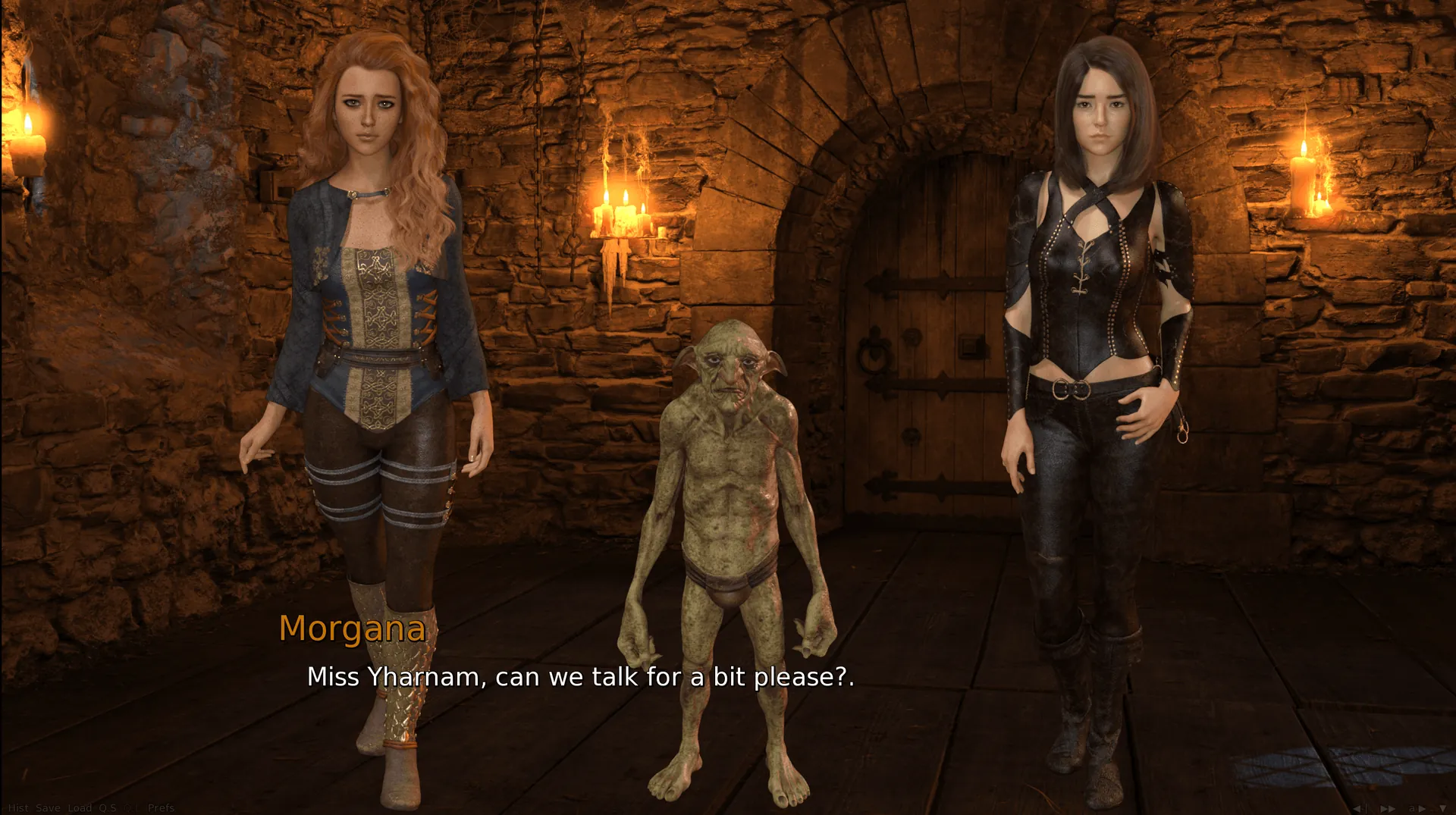
Meeting Screenshots






Meeting review
Dive into immersive choices, relationships, and thrills in Meeting
Ever wondered what happens when a simple conversation spirals into unforgettable connections? That’s the magic of Meeting, the adult game that’s got players hooked with its deep dialogue choices and evolving relationships. Developed by Karabinek in version 0.75, Meeting isn’t just another interactive story—it’s a personalized adventure where your words shape steamy outcomes and branching paths. I remember my first playthrough: one flirty remark locked me into a route I never saw coming, keeping me up all night replaying. In this guide, we’ll explore Meeting gameplay, core mechanics, and pro tips to maximize your fun. Whether you’re new or replaying for secrets, get ready to craft your own story in this captivating world.
What Makes Meeting Gameplay So Addictive?
Ever had a game sink its hooks into you so deep you lose track of reality? Where “just one more day” becomes a 3 AM mantra? That was my first night with Meeting gameplay. I was so captivated by the characters and their world that I made a classic rookie mistake: I hyper-focused on one person, using every action and every dialogue tree option to charm them. I thought I was romancing my way to a perfect ending. Instead, I got a heartbreaking scene where they gently told me my attention felt smothering, and they needed space. Game over. Route locked. 🚫
That moment of shock was pure genius. It wasn’t a failure; it was a lesson. Meeting doesn’t just let you win by being nice. It demands strategy, awareness, and balance. This is the secret sauce of its addictiveness. It’s not about watching a story unfold—it’s about living it, with every choice carrying tangible weight. The Meeting choices impact is immediate and often irreversible, creating a uniquely personal journey every single time you play. Let’s break down exactly why it’s so hard to put down.
How Dialogue Trees Drive Your Story in Meeting
Forget simple “Good/Evil/Sarcastic” buttons. Meeting dialogue trees are a dynamic, living conversation system. Each exchange presents you with tone-based options like Flirt, Joke, Sympathize, Challenge, or Evade. These aren’t just for flavor; they’re tools that directly probe a character’s personality and current mood.
Here’s the kicker: the “best” option is never obvious. Joking with a colleague who’s stressed about a deadline might build camaraderie with one person but seem deeply unprofessional to another. The game brilliantly hides a character’s immediate emotional state. You have to listen to their words, read their subtle body language described in the text, and remember your past interactions. Choosing to Sympathize after a loss might build Trust, while offering a logical Solution could boost Respect. The Meeting gameplay loop is this constant, exhilarating puzzle of social deduction.
My most memorable scene came from a seemingly minor choice. A character was venting about a unfair situation at work. The “correct” supportive response was clear. But on a whim, I picked Challenge, questioning if they’d done everything they could. The conversation escalated into a brutally honest argument… which later became the foundation for the deepest, most trusting relationship in my playthrough. It was a scene I never saw coming, born entirely from my own conversational gamble.
This depth is what sets Meeting apart. To show you just how different it is, let’s look at how its core systems compare to a more standard game.
| Mechanic | In a Generic Game | In Meeting | Player Impact |
|---|---|---|---|
| Dialogue System | Often linear or offers simple morality points (Paragon/Renegade). Choices may change a single line of response. | Dynamic tone-based trees (Flirt, Joke, etc.) that influence hidden relationship metrics and unlock branching paths. | Forces active listening and emotional intelligence. Creates highly personalized, unpredictable story moments. |
| Affinity / Relationships | Usually a single, visible meter (e.g., “Like/Dislike”) that increases with gifts or agreeing with the character. | A hidden multi-faceted matrix (Trust, Respect, Attraction, etc.). Changed by dialogue tone, actions, and time management choices. | Removes “gaming the system.” Relationships feel organic and require holistic strategy, not just repetitive pleasing. |
| Resource Management | Often manages health, mana, or ammunition for combat. | Manages daily Time and Energy points across Work, Social, and Personal action categories. | Transfers tension from combat to life balance. Every choice to socialize is a choice not to advance your career or hobbies. |
Mastering Affinity and Relationship Dynamics
This is the beating heart of Meeting. You won’t find a love meter or friendship bar. Instead, Meeting uses a sophisticated affinity system built on hidden, independent stats like Trust, Respect, Attraction, and Professional Rapport. Every action you take—from how you handle a work crisis to what you do on your day off—feeds into this invisible matrix.
My first-playthrough mistake was misunderstanding this. I bombarded my love interest with Flirt options, thinking I was maxing out “Attraction.” What I was actually doing was neglecting “Respect” (by not taking my job seriously) and damaging “Trust” (by coming on too strong too fast). The affinity system Meeting employs is brutally realistic: a healthy relationship needs balance.
So, how do you master what you can’t see? You track it indirectly through character reactions, unlocked dialogue options, and unique scenes. If a character starts confiding secrets, your Trust is high. If they seek your advice on problems, your Respect is solid. This indirect feedback loop is incredibly satisfying to decipher.
Here are my top 5 actionable tips for navigating these waters, which form the core of the best Meeting strategies:
- Vary Your Dialogue Tone: Don’t spam one option. If you always Joke, you’ll be seen as a clown. If you always Sympathize, you might become a doormat. Mix it up based on the context of the conversation. 🔀
- Actions Speak Louder Than Words: Choosing to spend a precious Time & Energy slot to help a character with their project will do more for your Trust and Respect than a dozen perfect dialogue choices. This is a key part of how to play Meeting game effectively.
- Remember Their Preferences: A character who values honesty will respond better to a blunt Challenge than a sweet-talking Evade. Note their reactions and build a mental profile.
- Respect Professional Boundaries: In work-related scenes, prioritize dialogue options that build Professional Rapport. Saving the Flirt tones for after-hours social events is usually a safer bet for the affinity system Meeting uses.
- Your Stats Matter Too: Your own character’s stats (like Intelligence, Charm, or Creativity) can unlock special dialogue options. Investing in yourself often opens new, more effective ways to interact with others.
Time Management: Balancing Actions for Best Outcomes
If the dialogue trees are the words, and affinity is the feeling, then Meeting time management is the rhythm of your life in the game. Each day, you have a limited pool of Time and Energy points to spend across three key areas: Work/School, Social, and Personal.
This is where the game’s strategic depth explodes. You can’t have it all. Do you use your evening Energy to go to a party (Social) to deepen relationships, or stay in to work on your novel (Personal) to boost your Creativity stat for future checks? Do you spend lunch break (Time) networking with a colleague or eating alone to regain Energy? This constant, low-stakes tension is incredibly compelling.
Meeting gameplay excellence is founded on this balance. Neglecting Work can limit your career progression and lower certain characters’ Respect for you. Ignoring Social means your relationships stagnate. Skipping Personal growth leaves you underpowered for key story moments. The best Meeting strategies involve planning your week like a chess match.
For example, I once prioritized a week of solid Work and Personal training, letting my Social links cool off. The payoff? My high Intelligence stat unlocked a brilliant solution during a company crisis, impressing everyone at once and giving me a massive, efficient boost to multiple affinities. It was far more effective than five separate coffee dates. This kind of emergent payoff is what makes mastering Meeting time management so rewarding.
The replay value is staggering. My “smothering” romance playthrough, my “career-focused” grind, and my “creative freelancer” paths all felt like entirely different stories, with different allies, enemies, and endings. The Meeting choices impact is total, crafting a narrative that feels uniquely yours every time.
So, you understand the systems that make it addictive. But how do you start strong and avoid those early pitfalls? What does the perfect first day in Meeting actually look like? 🤔
From branching dialogues that feel alive to affinity systems that reward smart plays, Meeting delivers a thrilling, personalized adult adventure like no other. My multiple playthroughs uncovered hidden routes and deeper connections that kept me coming back—proving its unmatched replay value. Whether you’re chasing specific endings or just diving into the story, focus on those tone-based choices and time balance for the best experiences. Ready to shape your own path? Jump into Meeting today, experiment boldly, and share your wildest outcomes in the comments below. Your next favorite story awaits!