
Motherless
Play Motherless
Motherless Screenshots


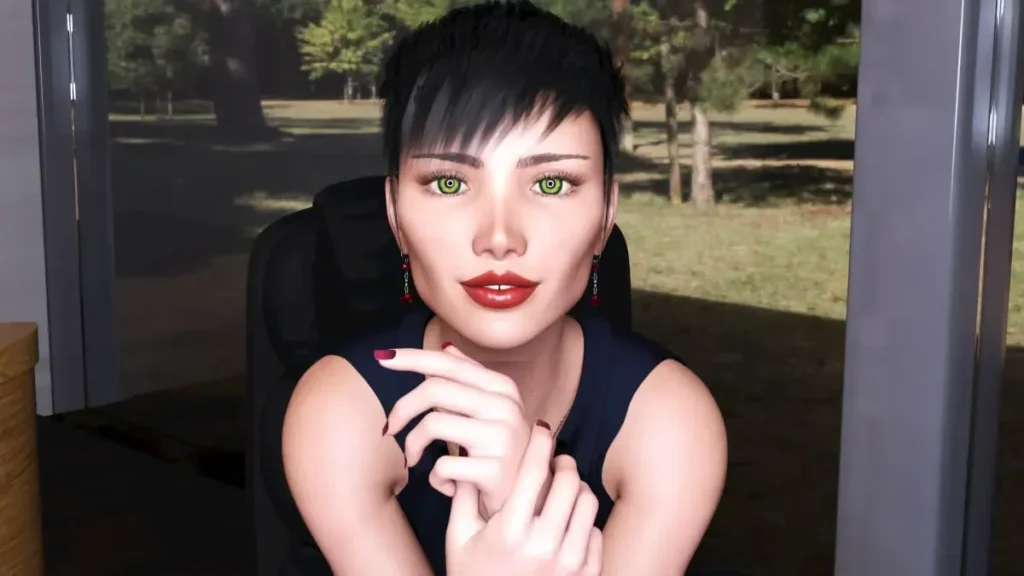












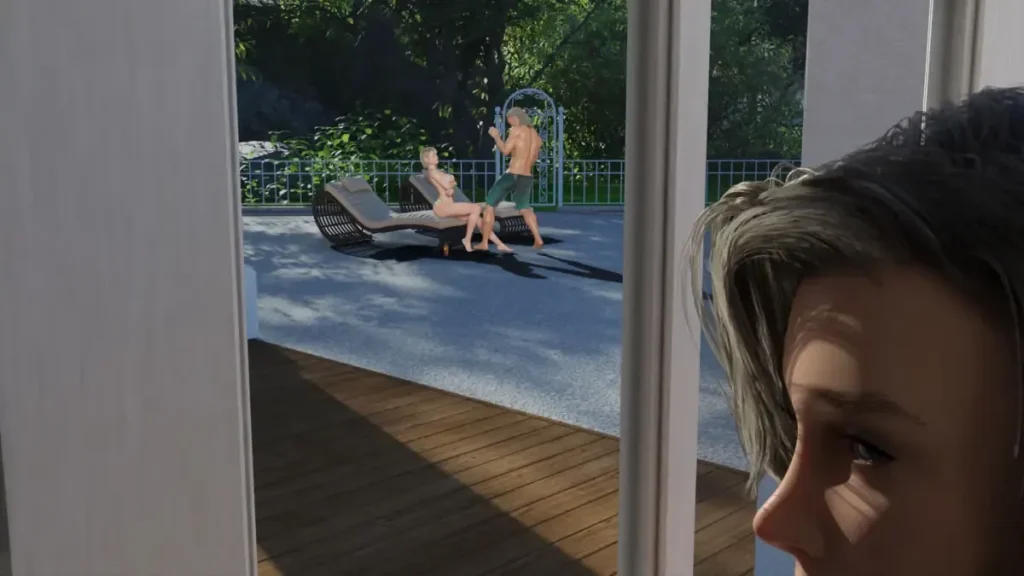




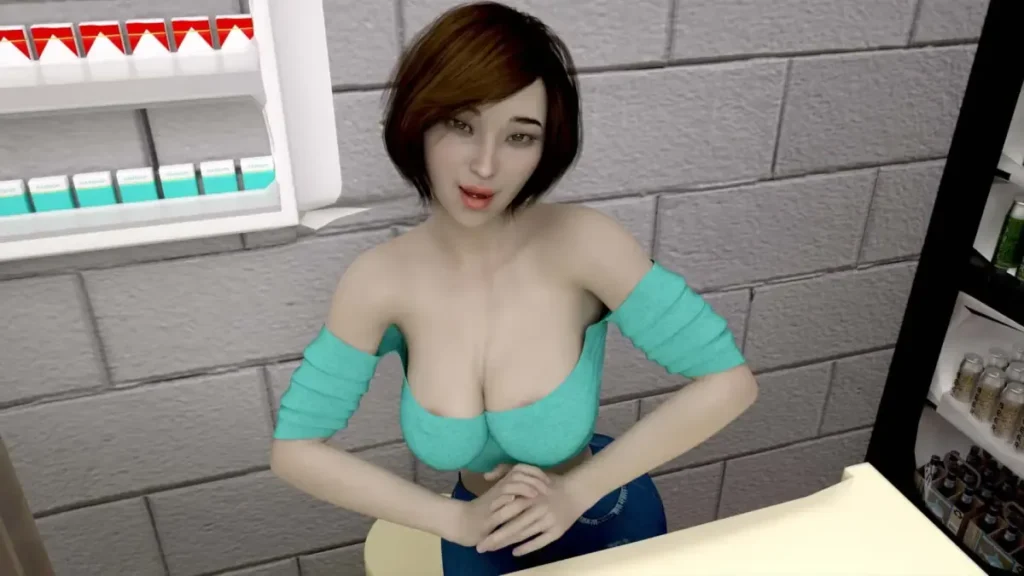


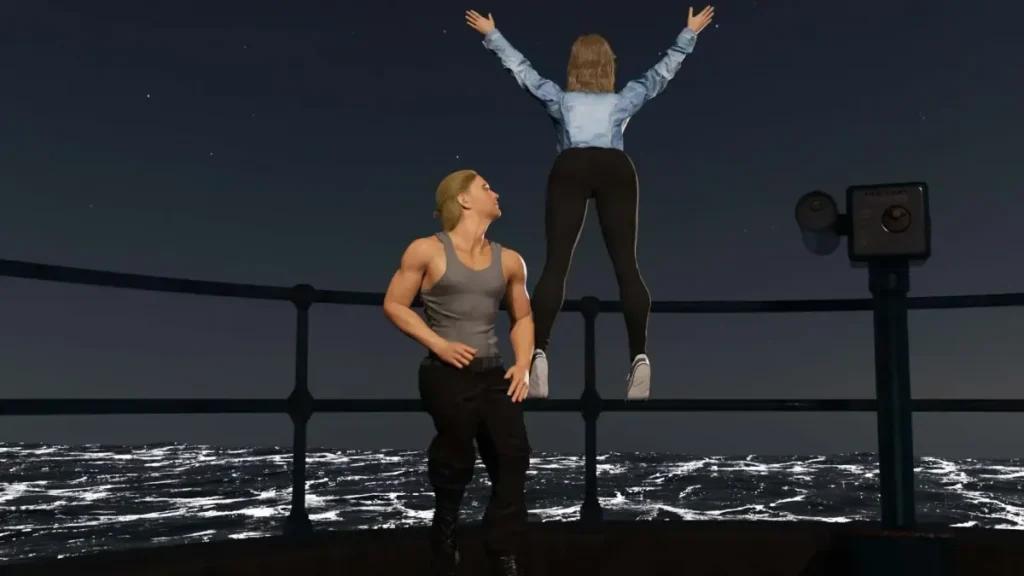
Motherless review
Explore the immersive visual novel experience with branching narratives and character-driven gameplay
Motherless stands out as a sophisticated adult visual novel that combines compelling narrative depth with meaningful player agency. Developed by Mr.Mister, this game follows Sunny’s journey of self-discovery as he searches for his mother while navigating complex relationships and life-changing decisions. With intuitive controls, extensive character customization, and a completed narrative spanning multiple seasons featuring thousands of high-quality renders and animations, Motherless delivers a comprehensive experience that respects player choice. Whether you’re drawn to the emotional storytelling, the intricate character dynamics, or the branching narrative structure, this guide will help you understand what makes this game a standout in adult gaming.
Understanding the Core Gameplay Experience
Ever feel like you’re just along for the ride in a story? 📖 You mash a button, watch a cutscene, and your only job is to get from point A to point B. If that’s left you craving a game where you are the author, where every glance, word, and silence matters, then welcome. You’ve found Motherless. This isn’t just a game you play; it’s a world you inhabit and shape with every breath. The core experience here is about profound connection and consequence, built on three powerful pillars: intuitive controls that disappear in your hands, deep character customization that defines your social footprint, and an interactive storyline gameplay system that remembers everything.
Let’s pull back the curtain and explore exactly how to play Motherless game and why its mechanics have captivated players seeking a truly personalized journey. 🧭
How Game Controls and Navigation Work
The first genius of Motherless is that it gets out of your way. The developers understand that the real drama shouldn’t be fighting with your keyboard. The Motherless game controls are designed with a single goal: to make interaction with the world and its people as natural as breathing, so you can focus entirely on the emotional weight of your decisions.
You’ll move your character through beautifully rendered environments using the classic WASD keys. It’s immediately familiar, which is the point. The mouse controls your camera view—allowing you to look around a crowded room, make eye contact, or admire the hauntingly detailed scenery. To talk to someone or examine an object, you simply move close and click. It’s effortless.
But the true key to the kingdom (literally) is the J key. I can’t overstate how central this becomes to your experience. Tapping ‘J’ opens your personal journal and menu. This isn’t just an inventory screen; it’s the memory of your journey. Here, you’ll review past conversations, track your evolving relationships with a sprawling cast of characters, and see how your player choices and decisions are quietly steering the overarching plot. I remember once making an offhand, seemingly compassionate remark to a side character early on. I forgot about it completely until, hours later, my journal had updated to show how that small kindness had rippled out, influencing another character’s trust in me. The ‘J’ key is your lifeline to this cause-and-effect web.
The learning curve is practically flat. Within minutes, you’re not thinking “which button do I press?”—you’re thinking “what should I say?” or “where should I look?”. This seamless integration is what makes the visual novel mechanics feel so fluid when they appear. You transition from free exploration into intense, choice-driven dialogue sequences without a single jarring load screen or interface shift.
Pro Tip: Get in the habit of hitting ‘J’ after every major story beat. The journal often contains subtle clues and reflections that can help you understand the deeper motivations of the people around you.
For a quick, at-a-glance reference, here’s a breakdown of the primary control scheme:
| Action | Primary Control | Function |
|---|---|---|
| Character Movement | W, A, S, D Keys | Move forward, left, backward, and right through the game world. |
| Camera Control | Mouse Movement | Look around the environment freely to observe details and characters. |
| Interact / Select | Mouse Click | Initiate conversations with characters or interact with key objects in the world. |
| Open Journal & Menu | J Key | Access your story log, relationship status, inventory, and game settings. |
| Toggle Dialogue Log | L Key | During conversations, review the last few lines of dialogue. |
| Pause Gameplay | Escape Key | Bring up the system menu to save, load, or adjust options. |
Mastering these simple Motherless game controls is your first step toward total immersion. They are the invisible hand that guides you into the heart of the story. 🎮
Character Customization and Personalization Options
Now, let’s talk about building you. Many games offer customization as a fun cosmetic opener. In Motherless, it is the foundational layer of the entire interactive storyline gameplay. Your avatar is not just a model on a screen; they are your proxy in a world that judges, reacts, and remembers. The character customization Motherless provides is some of the most meaningful I’ve ever encountered because it directly influences how the narrative unfolds.
The system is broken down into three transformative categories:
-
Physical Foundation: This is where you sculpt your visage. The sliders are incredibly nuanced, allowing you to adjust facial structure, bone definition, eye shape, and mouth set. You choose your skin tone, body type, and height. Why does this matter? Because characters in the world react to it. A taller, more imposing figure might be initially perceived as more authoritative, while a smaller build might elicit different kinds of interactions. It’s not about “good” or “bad” looks; it’s about crafting a presence.
-
Style & Expression: Next, you choose your initial clothing from a curated set that reflects the game’s tone—think muted tones, practical fabrics, and a sense of lived-in history. 🧥 This is just the starting point. As you play, you’ll unlock new clothing options through story progression and relationships. Putting on a jacket given to you by a friend might later be noticed by that character, strengthening your bond. Your style becomes a visual diary of your journey.
-
The Personality Seed: This is the secret sauce. 🎭 Before you even step into the world, you select a personality seed. These are not rigid classes like “Hero” or “Villain.” They are subtle predispositions, such as Empathetic, Analytical, Cynical, or Impulsive. This seed doesn’t lock you into a path; it fertilizes it. It influences the optional dialogue choices that appear, how characters perceive your tone, and even how your journal entries are phrased. In my first playthrough, I chose “Analytical.” I found myself often getting extra dialogue options to piece together clues or question inconsistencies—options my friend, who chose “Empathetic,” did not see. He, in turn, had more opportunities to offer comfort and understand emotional undercurrents.
This triad of choices creates a protagonist with genuine depth. You’re not just a silent cipher. The game’s branching narrative structure uses your appearance, style, and personality seeds as variables in a complex social equation. A character might confess a secret to you because you look like a trusted relative, or challenge you more aggressively because your chosen style clashes with their ideals. The character customization Motherless offers is the first and most important set of player choices and decisions you will make.
Interactive Storyline and Decision-Making System
This is where Motherless ascends from a great game to an unforgettable experience. Forget binary “good vs. evil” morality meters. 😈😇 The interactive storyline gameplay here is a sprawling, living web of cause and effect where every conversation is a potential turning point, and every decision carries the weight of authentic human consequence.
The narrative operates on a principle of nuanced agency. You are rarely faced with a blatant “Save the Puppy” or “Kick the Puppy” choice. Instead, you navigate murky waters of moral compromise and relational conflict. Do you tell a harsh truth that will protect someone but permanently damage your friendship? Do you keep a painful secret to maintain peace, knowing it might explode later? The game respects your intelligence and refuses to paint your decisions with a simple brush.
This is powered by its sophisticated branching narrative structure. Think of the story not as a tree with a few big branches, but as a dense, interconnected root system. A small choice in Chapter 1 might close off a specific dialogue thread in Chapter 3, but open up an entirely new story path in Chapter 5 that you never knew existed. I’ve played through three times, and each run revealed massive, hour-long story arcs that were completely absent in the others, all because of seemingly minor differences in how I treated certain characters early on.
The visual novel mechanics shine during these pivotal moments. The game seamlessly shifts into a focused, cinematic style during key conversations. Beautiful character portraits display subtle shifts in emotion—a flicker of doubt in the eyes, a tightening of the lips. The text you choose isn’t just informational; it’s tonal. You can choose to be firm, sarcastic, gentle, or evasive, and the characters will respond in kind, altering their perception of you. This system ensures the story is driven purely by narrative and relationship, without any grinding or repetitive mechanics.
Your player choices and decisions are catalogued and remembered with terrifying precision. The game has a long memory. An apology you offered hours of gameplay ago might be referenced in passing, proving it was genuinely accepted. A favor you refused might come back to haunt you when you need help. This creates an unparalleled sense of authenticity. You aren’t just selecting plot points; you are building a history.
Ultimately, knowing how to play Motherless game means understanding that you are the author. The intuitive controls are your pen, the deep customization is your protagonist’s profile, and the reactive, branching story is your blank page. It’s an experience that trusts you with profound agency, asking not what you want to do, but who you want to be and what kind of legacy you wish to leave in a fragile, emotionally charged world. Your story awaits. ✨
Motherless represents a sophisticated approach to adult gaming by combining compelling narrative depth with meaningful player agency. The game’s strength lies in its intricate story structure where Sunny’s journey of self-discovery unfolds through player choices that genuinely impact relationships and story outcomes. From intuitive controls and extensive character customization to a completed narrative spanning multiple seasons with thousands of high-quality renders and animations, the game delivers a comprehensive experience that respects player autonomy. Whether you’re drawn to the emotional complexity of character relationships, the branching narrative paths, or the immersive visual presentation, Motherless offers something substantial for players seeking narrative-driven adult gaming. If you’re interested in exploring a game that prioritizes storytelling alongside adult content, diving into Motherless provides a rich, engaging experience worth your time.