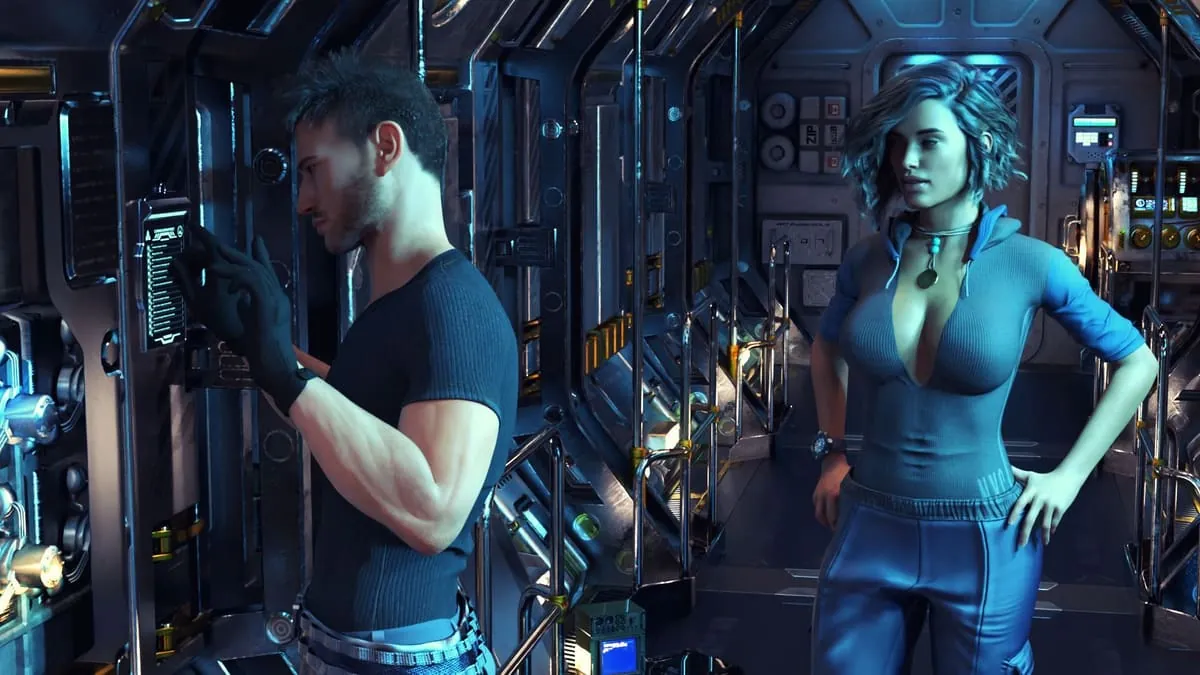
Rick and Morty Sex Game : Another Way Home
Play Rick and Morty Sex Game : Another Way Home
Rick and Morty Sex Game : Another Way Home Screenshots



















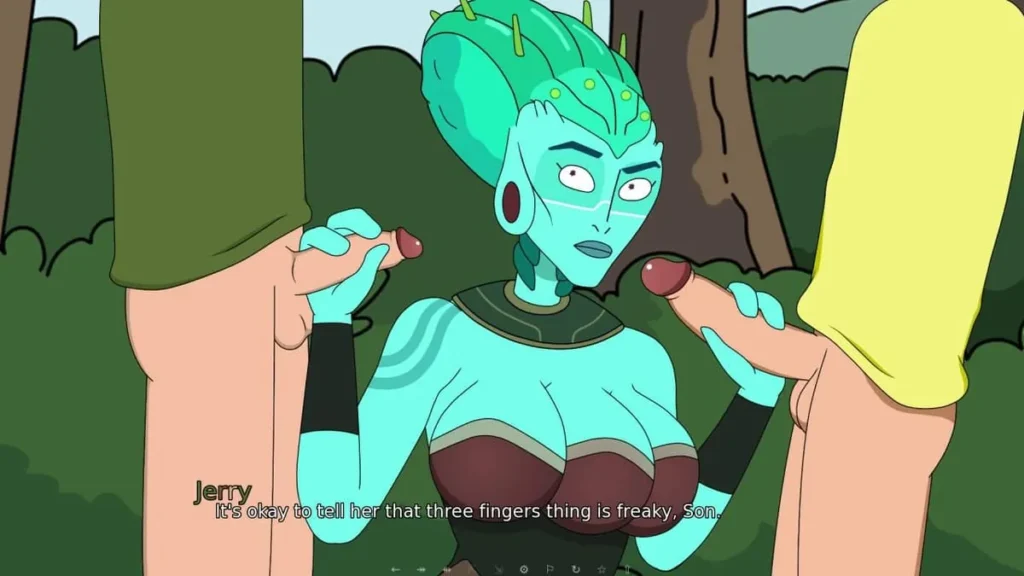





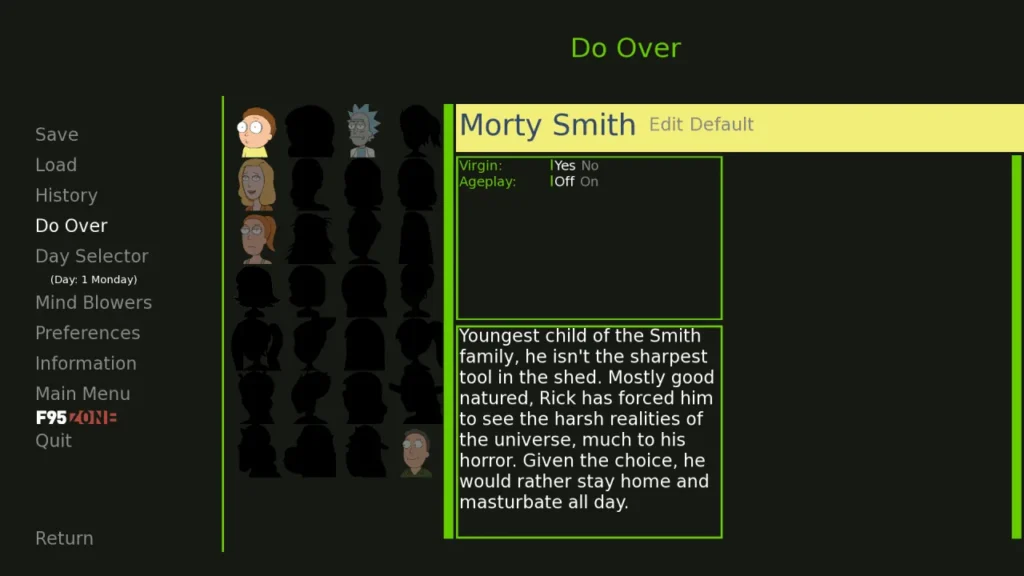
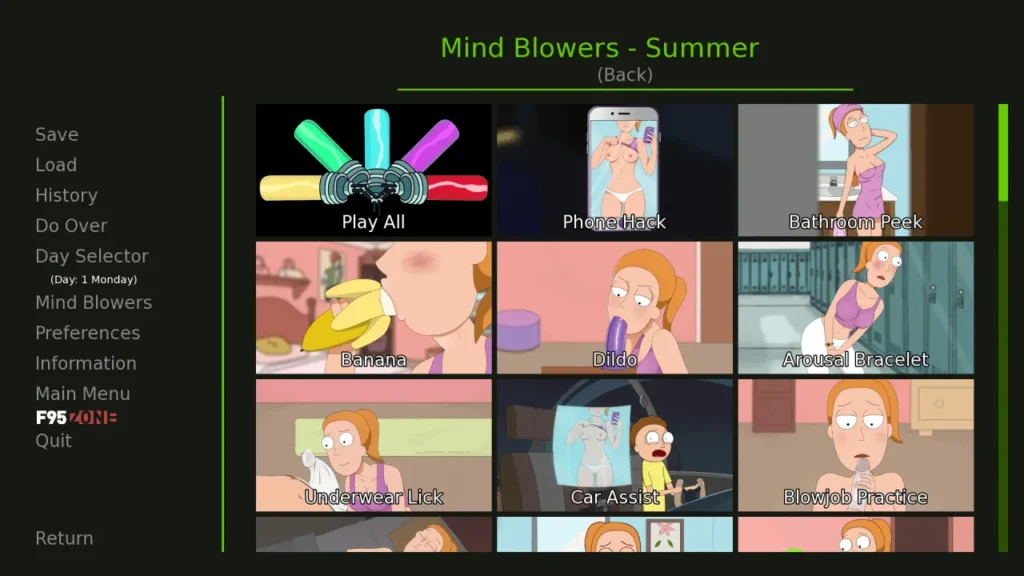
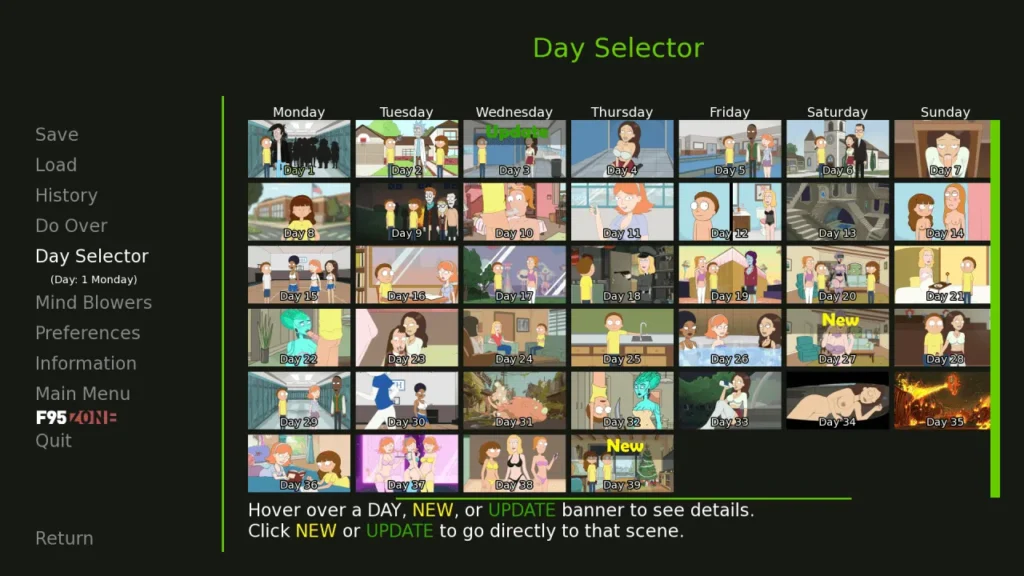
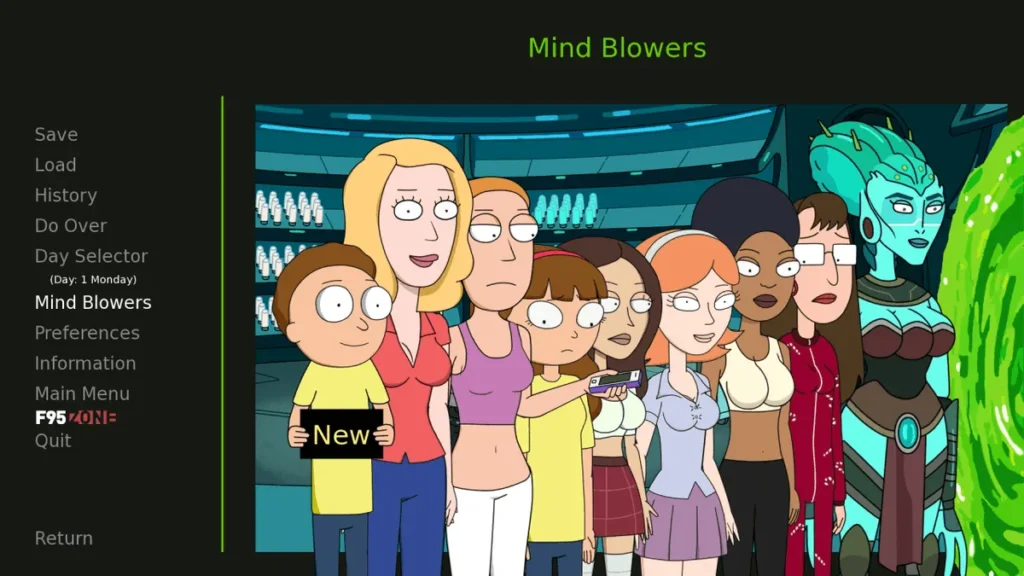
Rick and Morty Sex Game : Another Way Home review
Explore the multiverse adventure with gameplay tips, story insights, and character interactions
Rick and Morty: Another Way Home is an unofficial fan-created visual novel that brings the chaotic energy of the beloved animated series to an interactive gaming experience. Developed by Ferdafs, this game invites players to step into Morty’s shoes as he navigates through alternate realities and bizarre encounters across the multiverse. Whether you’re a devoted fan of the show or curious about fan-made gaming experiences, this comprehensive guide covers everything you need to know about gameplay mechanics, story progression, character relationships, and strategic tips to maximize your adventure through the twisted worlds of Rick and Morty.
Understanding the Game: Gameplay Mechanics and Features
Ever booted up a game expecting a simple adventure and instead found yourself staring at a cosmic flowchart of your own terrible decisions? 😅 That’s the glorious, mind-bending first impression of Rick and Morty: Another Way Home. This isn’t your standard platformer or shooter; it’s a deep, narrative-driven experience where your choices are the only weapon in your arsenal. Forget linear stories—here, you’re the architect of your own interdimensional mess, and understanding the Rick and Morty Another Way Home gameplay is the key to surviving it (and maybe having a good time).
Think of it as the ultimate “what if” machine, powered by classic choice-based visual novel mechanics. Every dialogue option, every interaction, and every seemingly minor decision ripples outwards, twisting the story into new and often hilarious shapes. One moment you’re trying to be nice to Jerry, the next you’ve accidentally spawned a dimension ruled by sentient plumbuses. The game perfectly captures the show’s spirit by making you feel both brilliantly in control and utterly out of your depth.
Core Gameplay Elements and Interactive Mechanics 🎮
At its heart, the Rick and Morty Another Way Home gameplay loop is elegantly simple yet infinitely complex. You navigate through beautifully rendered environments, click on points of interest, and engage in conversations that form the backbone of the experience. The real magic lies in the interactive story decisions you make during these exchanges. There’s no combat meter or health bar—your progress is measured in relationships unlocked, secrets discovered, and narrative branches opened.
I remember my first playthrough, nervously trying to impress Beth. I picked every “supportive science daughter” dialogue option I could, only to later discover I’d locked myself out of a side-quest involving a rebel cyborg version of her from Dimension C-137G. The game doesn’t have “right” or “wrong” choices, only consequences. This is powered by the versatile Ren’Py fan game mechanics, an engine that allows for incredibly sophisticated branching logic beneath its accessible surface. It’s what transforms a simple visual novel into a sprawling, reactive multiverse simulation.
To give you a quick, at-a-glance understanding of how everything ties together, here’s a breakdown of the core systems:
| Gameplay Feature | How It Functions | Impact on Your Playthrough |
|---|---|---|
| Decision-Making | You are presented with multiple dialogue and action choices at key story beats. These are timed in some tense scenes, creating a real sense of pressure. | Directly controls the plot direction, ending you receive, and which characters you ally with or alienate. Major branches can lead to completely unique episodes. |
| Exploration | Point-and-click navigation through the Smith house, the garage lab, and various unstable portal locations. You must examine everything and combine items to solve puzzles. | Unlocks hidden story threads, essential gadget components, and secret character interactions. Missing a location can mean missing a whole subplot. |
| Relationships | A hidden “trust” or “affinity” meter for each major character. Your choices in their presence raise or lower this value, often without explicit notification. | High trust unlocks private conversations, special assistance from that character, and romantic or deeply personal storyline variants. Low trust can make them hostile or uncooperative. |
| Dialogue Systems | A dynamic conversation tree that changes based on your previous knowledge, relationships, and items in your inventory. Some dialogue options only appear if you’ve met certain conditions. | Creates a deeply personalized story. Your Morty might be cynical, timid, or recklessly confident based purely on how you choose to speak for him. |
This framework means the core Rick and Morty Another Way Home gameplay is less about “winning” and more about “experimenting.” Each playthrough is a new test in the lab, and the results are never the same twice.
Multiverse Exploration and World Design 🌌
If the dialogue trees are the game’s brain, then the multiverse exploration game features are its wild, beating heart. This isn’t just a backdrop; it’s the primary playground. One minute you’re in the familiar chaos of the Smith household, the next you’ve stepped through a portal into a world where gravity is a polite suggestion and everyone is a version of Mr. Meeseeks. The multiverse exploration game features are designed to constantly surprise and challenge your perception.
The brilliance of the multiverse exploration game features lies in their rules. Each dimension has its own internal logic, aesthetic, and often, a unique puzzle tied to its absurd physics. I got stuck in a “Pirates of the Pancreas” dimension for an embarrassing amount of time because I didn’t realize the local currency was beta-blockers and compliments. You have to observe, adapt, and think like Rick—lateral, often morally questionable thinking is rewarded.
Traveling through these realities is the core of the Rick and Morty Another Way Home gameplay loop outside of conversation. You’ll use Rick’s portal gun (with limited, rechargeable fluid, adding a strategic layer) to hop between worlds, gather exotic materials, and encounter bizarre alternate versions of familiar faces. Finding a depressed, office-worker Rick in a cubicle dimension or a hyper-competent, heroic Jerry leading a resistance adds incredible depth to the lore. The multiverse exploration game features ensure that the setting itself is a character, one that is constantly changing and reacting to your presence.
Character Relationships and Dialogue Systems 💬
This is where the game truly shines and where your interactive story decisions carry the most weight. The branching dialogue system is a masterpiece of reactive writing. Characters remember your past choices, hold grudges, and will call you out on your inconsistencies. Try to tell Summer you’re proud of her after you spent the previous day insulting her social media presence, and she’ll throw your own words right back at you with devastating accuracy. 😬
The character relationship building mechanics are mostly hidden, which makes them feel organic. There’s no HUD element shouting “BETH +5.” Instead, you see it in her body language, the tone of her voice, and the new opportunities that arise. Building a strong rapport with Beth might lead to her confiding in you about her insecurities regarding her father, unlocking a tender, character-defining side story. Conversely, piss off Rick enough, and he might “prank” you by sending you to a dimension of endless waiting rooms.
This character relationship building extends to every major figure. Your approach to Summer can foster a cool aunt/nephew dynamic or a bitter rivalry. Your interactions with alternate Ricks can range from respectful scientific discourse to deadly games of one-upmanship. Each relationship path unlocks unique scenes, dialogue trees, and even entire missions. The branching dialogue system is the engine for this, offering choices that can be sarcastic, sincere, manipulative, or nihilistic, allowing you to define your version of the protagonist.
The game’s use of choice-based visual novel mechanics means these interactions are the primary action. A tense negotiation with a Council of Ricks using only your wits and words can be more thrilling than any boss fight. It’s a testament to the writing and the systems at play that managing these digital egos feels so compelling and true to the source material.
Pro Tip: Save before every major conversation, and don’t be afraid to quick-save mid-dialogue! The most interesting outcomes often come from the riskiest, most “in-character” choices, and you’ll want to see where they lead without ruining your main save file.
To wrap this guide up, here are some actionable, hard-earned pieces of advice to enhance your journey through the multiverse:
- Save Strategically, and Often: This cannot be overstated. Use multiple save slots. Save before portal jumps, before talking to key characters, and even during long conversations. The branching dialogue system can take sharp turns without warning.
- Check and Recheck Locations: Characters and items operate on schedules. The garage at noon is different from the garage at midnight. Revisiting familiar rooms after major story events often triggers new interactions or reveals hidden items crucial for puzzles.
- Build Relationships with Focus: You can’t be everyone’s best friend. Pick one or two characters to invest in deeply per playthrough. Authentic, consistent character relationship building with Beth will yield more content than spreading thin, contradictory charm across the entire family.
- Listen and Observe: The game’s hint system is often environmental. A character’s offhand remark or a readable item in the background usually contains the solution to the next puzzle. The multiverse exploration game features demand you pay attention to the rules of each new reality.
- Embrace the Replay: Your first ending is just one of many. The insane replay value is the game’s greatest feature. Make opposite choices, be a jerk, be a hero, be an idiot. The Rick and Morty Another Way Home gameplay is designed to be experienced multiple times to see the full, glorious, chaotic scope of its storytelling.
Rick and Morty: Another Way Home offers fans an immersive way to experience the show’s universe through interactive storytelling and meaningful player choices. By understanding the game’s core mechanics—from relationship building to multiverse exploration—you can fully appreciate the creative effort behind this fan-made project. The game’s branching narratives and character-driven storytelling create a unique experience that rewards exploration and strategic decision-making. Whether you’re discovering hidden scenes, unlocking new character interactions, or experiencing different story paths, this game demonstrates the passion of fan creators in expanding beloved fictional universes. Take your time exploring each location, building relationships thoughtfully, and experimenting with different choices to uncover all the content this ambitious fan project has to offer.