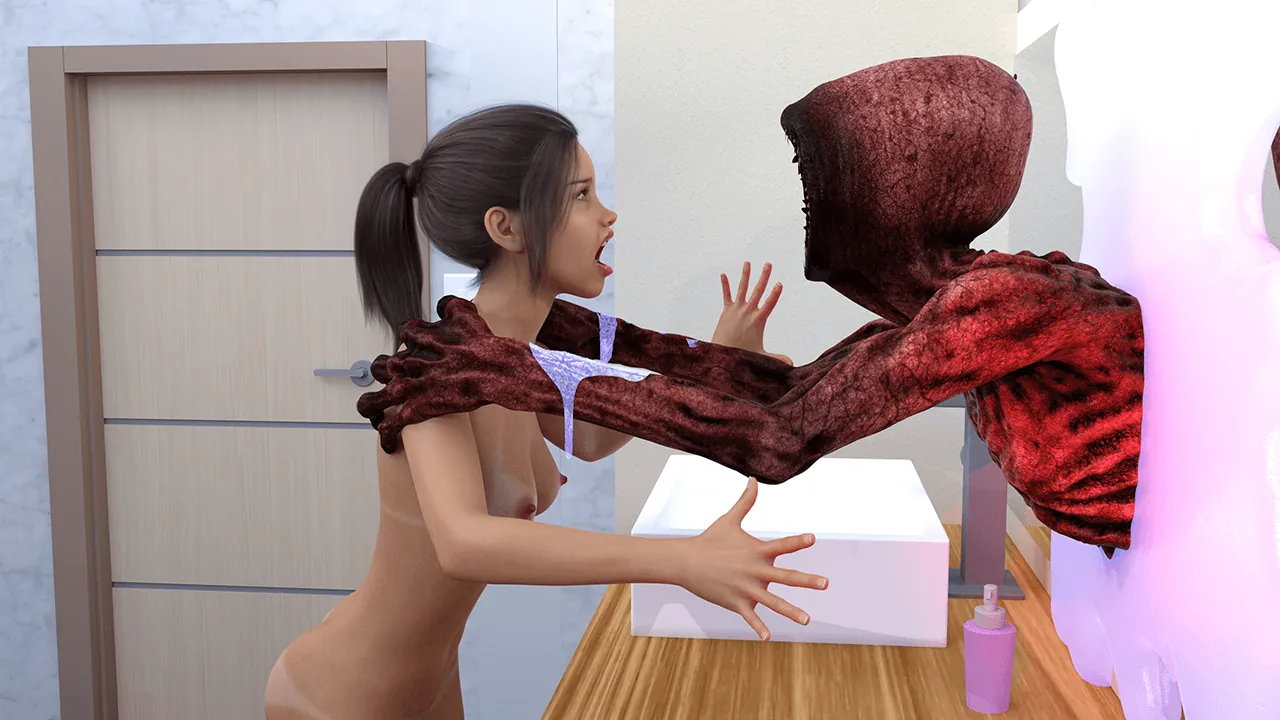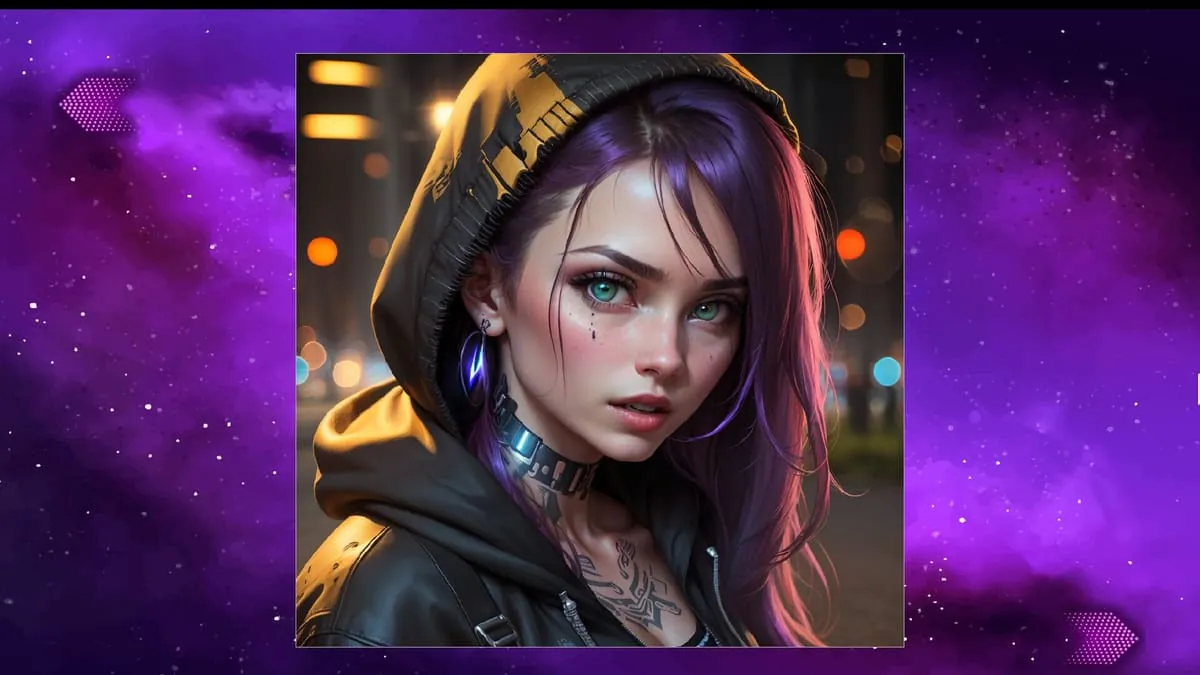
Sassy Cybergirl Screenshots
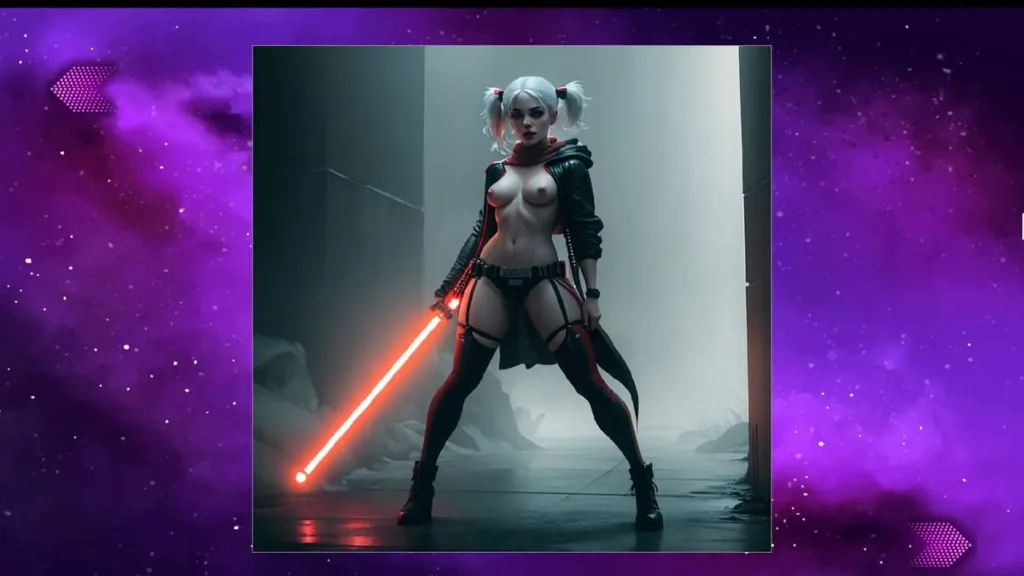

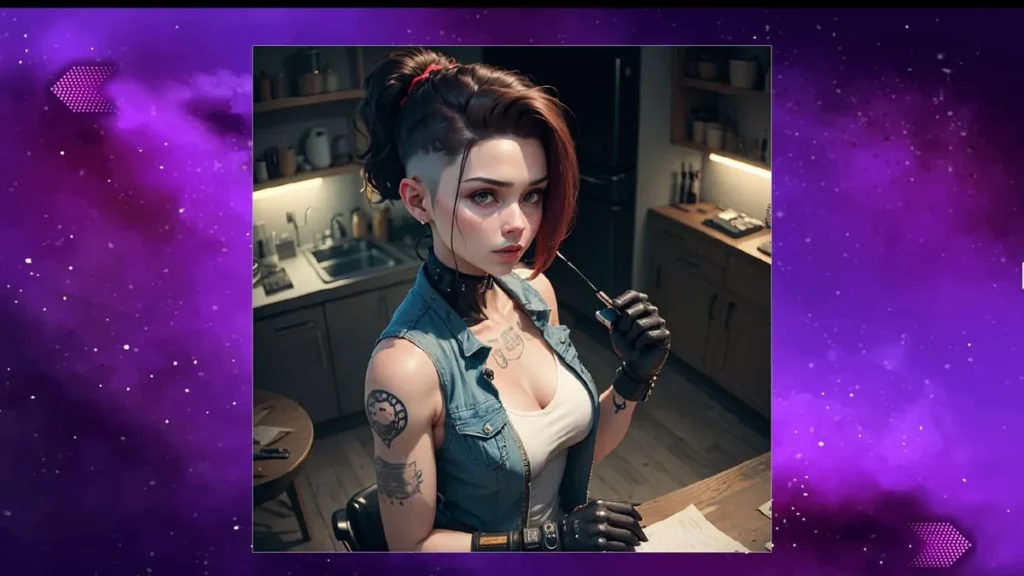

Sassy Cybergirl review
An in-depth guide to mechanics, story paths, and player strategies
Sassy Cybergirl is a cyberpunk-themed adult game that blends puzzle-driven mechanics, branching narrative choices, and character-driven interactions to create a distinctive interactive experience. In this article I’ll walk you through what makes Sassy Cybergirl unique, share hands-on strategies from my play sessions, and highlight how its systems — from reputation to resource management — shape outcomes. Whether you’re evaluating the game for the first time or looking to master specific routes, this guide gives practical, experience-based advice to help you get the most out of Sassy Cybergirl.
Core Gameplay & Mechanics of Sassy Cybergirl
Alright, chum, let’s crack this neon-drenched shell open. The heart of Sassy Cybergirl gameplay isn’t just about looking sharp in a synth-leather jacket (though that’s a big plus 😉). It’s a razor-sharp blend of tactical thinking, resource juggling, and style-as-a-weapon. Every conversation, every back-alley deal, and every corrupted data-node is part of an intricate dance. Think less mindless shooting, more cerebral maneuvering where your wit is your best cyberware.
At its core, the loop is deliciously addictive: you explore districts, talk to characters (gaining Social Cachet), take on jobs that present cyberpunk puzzles, earn Cyber-Flux and rewards, and invest in skills and wardrobe to unlock even more paths. It’s a feedback loop of style and substance, where solving a tricky hack can literally open new doors—and new story possibilities. 🎮
Puzzle systems and how they drive progression
Forget generic lock-picking minigames. The cyberpunk puzzles here are the primary engine of your ascent. They’re how you decrypt paydata, bypass secure doors, silence alarms, and even influence people’s neural implants. Failure isn’t usually a game-over; it’s a narrative twist—maybe a guard gets alerted, or you lose a potential ally’s trust. Success, however, showers you with goodies: Cyber-Flux, story intel, and often keys to the game’s more… intimate rewards. 🔓
You’ll face three main types, each requiring a different mental muscle:
- Grid-Based Logic Combos: The most common. You’re presented with a grid of encrypted nodes. Your goal is to activate a sequence, often by matching symbols or creating connecting paths under specific rules (e.g., “no two active nodes can be adjacent”). Early on, these are simple. Later, they become devilish cascades where one move affects the entire board. My personal puzzle strategy guide tip? Always scan the entire grid before making your first move. Look for the most constrained nodes first—they usually hold the key to the solution.
- Adaptive AI Hacking: This is where the game gets clever. 🧠 Some security systems learn. You’re essentially playing a rapid game of digital cat-and-mouse, where the firewall adapts to your previous intrusion method. You might use a “Brute Force” module once, but the next time, the system will be partially resistant to it. You need to rotate your tactics, keeping the AI guessing. It forces you to engage with all the tools in your hacking kit.
- Social Engineering Scenarios: These are puzzle-box conversations. You’re given a profile of an NPC—their fears, desires, known secrets—and a set of dialogue or implant-influencing options. Choosing the right sequence to achieve your goal (e.g., get a passcode, make them leave a room) is the puzzle. It directly tests your Social Cachet knowledge and sometimes specific skills like Charm or Forgery.
Mastering these isn’t just for completionists; it’s how you steer the story. Want to access the exclusive Virtua-Club’s backroom? Solve the club’s master security grid. Need to uncover a corporate mole? Decrypt their private comms array. Every major story branch is gated behind a puzzle of some kind.
Resource management: Social Cachet and Cyber-Flux
In the sprawl, you trade in two currencies: reputation and raw data. Managing the tension between them is where brilliant Sassy Cybergirl gameplay emerges.
Social Cachet is your rep, broken down by district. Help a bartender in the Neon Bazaar, and your Cachet there rises. Screw over a fixer in the Dredge Port, and it plummets. This isn’t just a number. 😊
* High Cachet unlocks new dialogue, opens up side job offers from locals, and can even make certain puzzles easier (a friendly guard might look the other way).
* Low Cachet locks you out of opportunities, makes vendors charge you more, and turns streets hostile.
Pro Tip: Don’t try to be everyone’s friend. It’s impossible. Pick 1-2 districts to be your “home turf” and invest in relationships there. I focused on the Arts District and the Docks, which gave me a solid base of operations and allies.
Cyber-Flux is the digital lifeblood you earn from solving puzzles and completing jobs. It’s used for:
* Skill Acquisition & Upgrades. 🧩
* Bypassing Puzzles. Stuck on a nasty hack? You can spend a chunk of Flux to “auto-solve” it, but this is almost always a trap for the impatient. That Flux could have upgraded a permanent skill.
* Crafting Forgery Items. Need a fake ID to access the corporate arcology? That’s a Flux cost.
* Wardrobe Enhancements. Some of the slickest gear needs Flux for digital tailoring.
The classic trade-off? You’re infiltrating a corp office. You hit a security door with a complex grid puzzle. You could spend 15 minutes solving it, saving your Flux. Or, you could burn 250 Flux to brute-force it open instantly. But what if you face an even tougher decryptor gate later, and you’re fresh out of Flux? That’s the constant, delicious tension.
Skill trees, unlocks, and the wardrobe impact
Your character sheet is your arsenal. The skill tree forgery path, the stealth options, the charm techniques—these aren’t just +5% bonuses. They are keys to entirely different story experiences.
Skills are unlocked by spending Cyber-Flux, but access to them is often gated by completing specific side jobs. Want the “Neural Whisper” charm skill? First, you need to help that reclusive netrunner in sub-level 3, which requires its own set of puzzle solutions. This ties progression beautifully into world exploration.
Let me give you an anecdote. Early on, I invested heavily in the Forgery tree. In a mission to get an audience with a gang boss, I was confronted by two thugs at a door. The “obvious” paths were: fight (I was weak), or use Charm (my Cachet was low there). Instead, my skill tree forgery unlock “Counterfeit Credentials” let me flash a fake badge from a rival gang I’d “created” earlier. The thugs, confused and wary of inter-gang conflict, just let me pass. Not only did this save resources, but it also impressed the boss later, who valued cunning, directly altering my romance options with her! One skill choice rippled through the entire narrative branch. ✨
Now, let’s talk wardrobe mechanics. This is pure cyberpunk fantasy. Your outfits are not cosmetic. The game has a hidden “Style Impression” system. Wearing full corporate attire in a street market will make locals distrustful, closing off dialogue. Rolling into a tech-baron’s party in scavenged punk gear will get you thrown out. But wear that same punk gear to an underground fight club, and you’ll be a legend.
- Outfits grant passive effects: A “Executive Shell” suit might give +10% to Charm checks in corporate zones. “Riot Gear” could make intimidation attempts easier.
- They unlock specific actions: Some high-end dresses or armored jackets have unique interaction options in conversations or environmental puzzles.
- They affect puzzle difficulty: Looking the part can sometimes simplify a social engineering puzzle, as the NPC’s initial disposition toward you is better.
Managing your wardrobe is thus a strategic pre-mission choice. It’s like choosing your loadout in a shooter, but for social and environmental combat.
| Playstyle | Puzzle Approach | Resource Priority | Suggested Early Skills |
|---|---|---|---|
| The Diplomat 😇 | Focus on Social Engineering puzzles. Use Charm/Logic to bypass hostile grids when possible. Save Flux for dialogue-influencing cyberware. | Social Cachet (in key districts), Flux for Charm upgrades. | Neural Calm, Logical Deduction, Cultural Savvy. |
| The Ghost 🦉 | Master Grid Combos and AI Hacking to physically bypass security. Use Flux to neutralize alarms and cameras silently. | Cyber-Flux for hacking tools and Stealth upgrades. | Pattern Recognition, Adaptive Algorithm, Silent Step. |
| The Aggressive ⚡ | Use brute-force solutions and intimidation. Often spends Flux to skip puzzles quickly. Leverages wardrobe for intimidation. | Balanced Flux & Cachet (for intimidation), strong early weapon forgery. | Brute Force Module, Threat Display, Forged Weaponry. |
To wrap this puzzle strategy guide section, your opening moves matter. I recommend all new players grab an early Logic skill to make grid puzzles easier, and invest in one versatile outfit. Don’t spread your Flux too thin—specialize early in one social or one technical path. Watch the world react to your clothes, and never be afraid to reload and try a different approach to a puzzle. The beauty of Sassy Cybergirl is that every lock has multiple keys, and finding the one that fits your style is the greatest reward of all. 🔑
Sassy Cybergirl combines smart puzzle design, branching narrative choices, and character-driven systems into a cohesive experience that rewards planning, experimentation, and emotional investment. By mastering the core puzzle mechanics, managing Social Cachet and Cyber-Flux carefully, and paying attention to wardrobe and relationship cues, players can unlock rich narrative branches and secret endings. If you enjoyed the gameplay and strategies shared here, try the recommended early builds and community mods to tailor the experience further — and join active player forums to swap tips and discoveries.