Strange Nights
Play Strange Nights
Strange Nights Screenshots



Strange Nights review
Explore gameplay mechanics, storyline, and features of this indie visual novel
Strange Nights is an indie visual novel that has captured the attention of gaming enthusiasts looking for narrative-driven experiences. This game combines engaging storytelling with interactive gameplay mechanics, offering players a unique adventure. Whether you’re curious about the plot, gameplay features, or what makes this title stand out in the indie gaming landscape, this guide provides everything you need to know. Discover the mechanics, character interactions, and overall experience that define Strange Nights.
Understanding Strange Nights: Game Overview and Core Mechanics
Ever downloaded a game on a whim, only to find yourself completely hooked hours later? 😲 That’s exactly what happened to me with Strange Nights. I was scrolling through itch.io, looking for a short, atmospheric experience, and this narrative adventure game caught my eye. What I found was far more than a simple story—it was a gripping, choice-driven journey that had me questioning every decision I made. If you’re tired of linear stories and crave a game where your moral compass actually steers the ship, you’ve come to the right place.
Let’s dive into the world of Strange Nights and unpack everything that makes this indie gem so compelling.
What is Strange Nights and How Does It Play?
At its heart, Strange Nights is a visual novel built with the powerful and accessible Ren’Py engine. This means you’re in for a story-first experience, where reading, watching, and choosing are your primary actions. But calling it just a “visual novel” feels like a disservice. It’s an interactive storytelling game that puts you directly in the driver’s seat of a twisting, supernatural mystery.
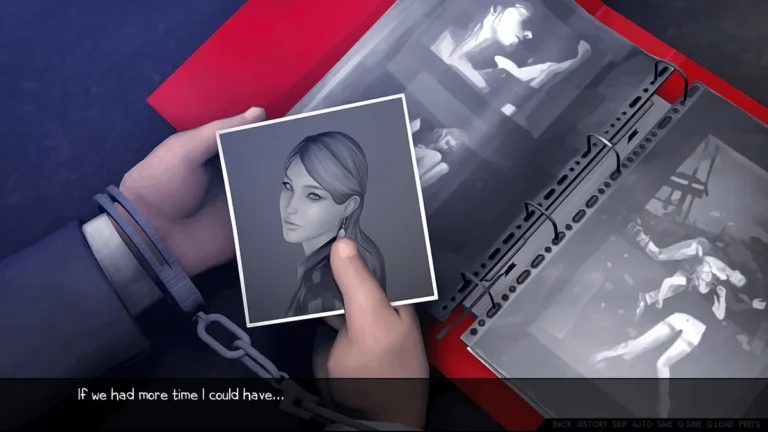
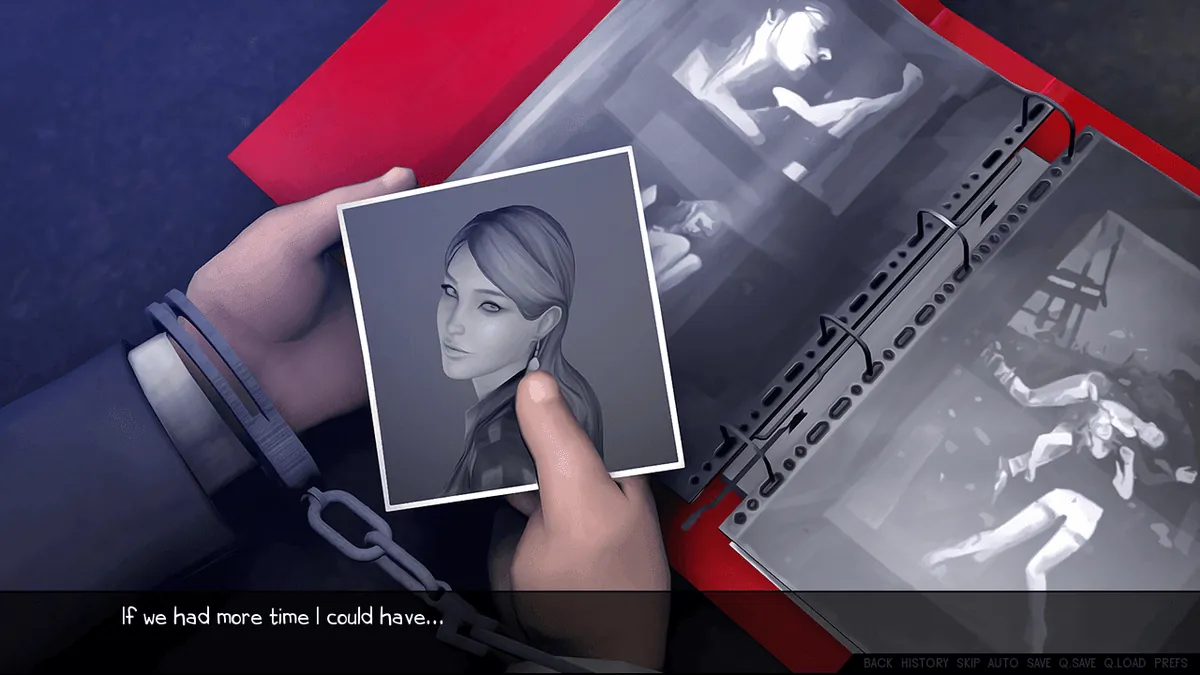
You play as Mark Jefferson, a photography teacher at the prestigious Blackwell Academy. The game doesn’t waste time: you start the story sitting in a jail cell, accused of a horrific crime you have no memory of committing. Just as things seem hopeless, you’re violently thrust back in time to the weeks before the incident. Oh, and you wake up with strange, reality-bending powers. Talk about a bad week! 😅 Your goal is clear: navigate this second chance, uncover the truth, and avoid your grim fate.
The beauty of this Ren’Py game is its accessibility. It’s designed to be picked up and played by anyone, whether you’re a veteran of the genre or a complete newcomer. The gameplay loop is immersive yet straightforward: you’ll progress through beautifully rendered scenes, engage in dialogue with a cast of intriguing characters, and face decisions that will literally alter the course of the narrative. It’s available on both Android and Windows, making it the perfect narrative fix on your PC or on the go.
To give you a quick snapshot, here are the essential specs:
| Specification | Details |
|---|---|
| Platforms | Windows PC, Android |
| Estimated Gameplay Duration | Approximately 1 hour (for one playthrough) |
| Graphics Style | 3DCG Character Models, Telltale-style Backgrounds |
| Core Gameplay | Choice-Based Visual Novel |
| Offline Play | Yes, fully offline once downloaded |
| Engine | Ren’Py |
The relatively short runtime is actually a strength for this type of interactive storytelling game. It encourages immediate replayability. You’ll finish your first run, see an outcome, and instantly think, “What if I’d said that instead?” Before you know it, you’re booting it up again to explore a different path. It’s a masterclass in efficient, impactful narrative design.
Key Gameplay Features and Mechanics
This is where Strange Nights truly shines. It takes the familiar framework of a visual novel and injects it with clever, meaningful indie game mechanics that give your choices real weight. It’s not about picking obvious “good” or “bad” options; it’s about defining who Mark Jefferson is in a crisis.
The crown jewel of the systems here is the Empathy/Dominance Points system (EP/DP). This isn’t just a superficial morality meter. Every significant dialogue choice and action you take will quietly add points to either your Empathy or Dominance score. Are you a compassionate teacher who seeks to understand and help others? That’s the Empathy path. Or are you a determined, forceful individual willing to bend the world to your will to survive? That’s the Dominance route.
My Tip: Don’t try to balance these points! On my first playthrough, I tried to be a “reasonable” middle-ground guy, and I ended up with a weirdly passive protagonist who didn’t strongly connect with anyone. The most interesting story branches come from committing to a direction.
This empathy dominance points system directly feeds into the game’s brilliant choice-based gameplay. Your accumulated points unlock or lock specific dialogue options and story branches later on. A high Empathy score might allow you to peacefully diffuse a tense situation with a student, while a high Dominance score could let you intimidate a suspect into revealing crucial information. These aren’t just cosmetic changes; they fundamentally change how scenes play out and which story threads you can pull on.
Let’s break down the key features that make the mechanics sing:
* The EP/DP System: Your silent, defining scorecard that tailors the narrative to your playstyle.
* Dynamic Character Relationships: Every character remembers your attitude. Be kind to someone, and they might trust you with a secret later. Be harsh, and they could become an obstacle.
* Supernatural Power Integration: Your time-rewind abilities aren’t just for show. They are carefully woven into puzzle-like narrative moments, asking you to use your “gift” to find the truth.
* Branching Narrative Structure: Like the best Telltale games or life-sims, your choices create tangible forks in the road, leading to multiple distinct endings.
* Offline Playability: A complete, self-contained experience you can enjoy anywhere, without any need for an internet connection.
The indie game mechanics here feel refined and purposeful. There’s no bloated inventory system or complicated combat to learn. The entire focus is on the interactive storytelling, and every system exists to deepen that. Watching the consequences of your choices ripple through the plot is incredibly satisfying and is the core reason you’ll want to replay this narrative adventure game multiple times.
Story Premise and Setting
The story of Strange Nights is its biggest hook. It masterfully blends the mundane with the supernatural, creating a setting that feels both relatable and deeply unsettling. You’re not a chosen hero in a fantasy land; you’re Mark Jefferson, a teacher at Blackwell Academy, dealing with grading, student drama, and faculty meetings. This grounding in reality makes the intrusion of the fantastic all the more powerful.
The premise is a fantastic “what if” scenario: What if you could re-live the worst period of your life with the knowledge of how it ends? And what if you had mysterious new powers to help you? This sets the stage for a tense, psychological thriller. As you navigate the familiar halls of Blackwell Academy, every interaction is loaded with new meaning. That casual chat with a student in the hallway? It might be the key to preventing a disaster. A forgotten item in the photography lab? It could be a crucial piece of evidence.
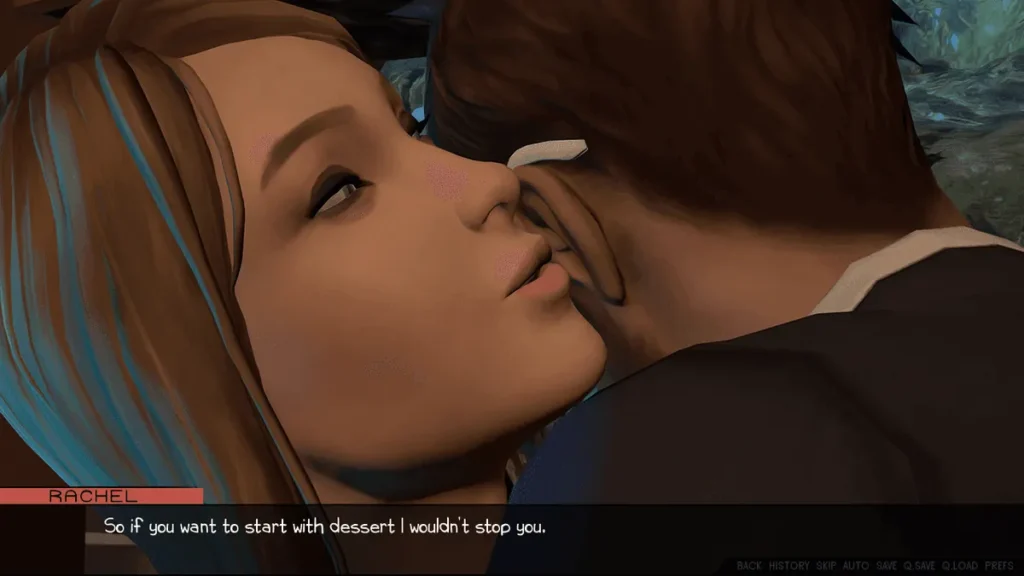
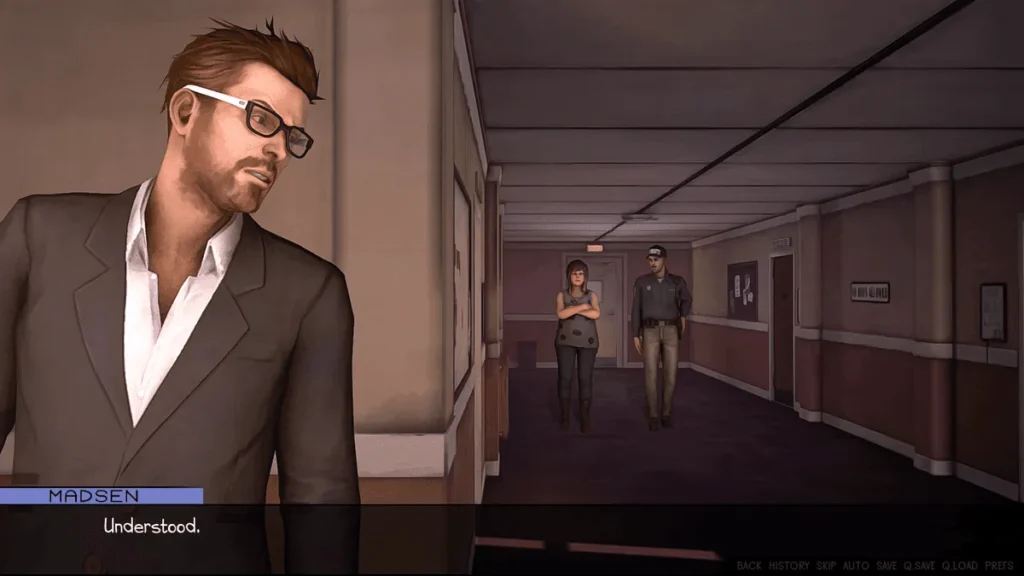
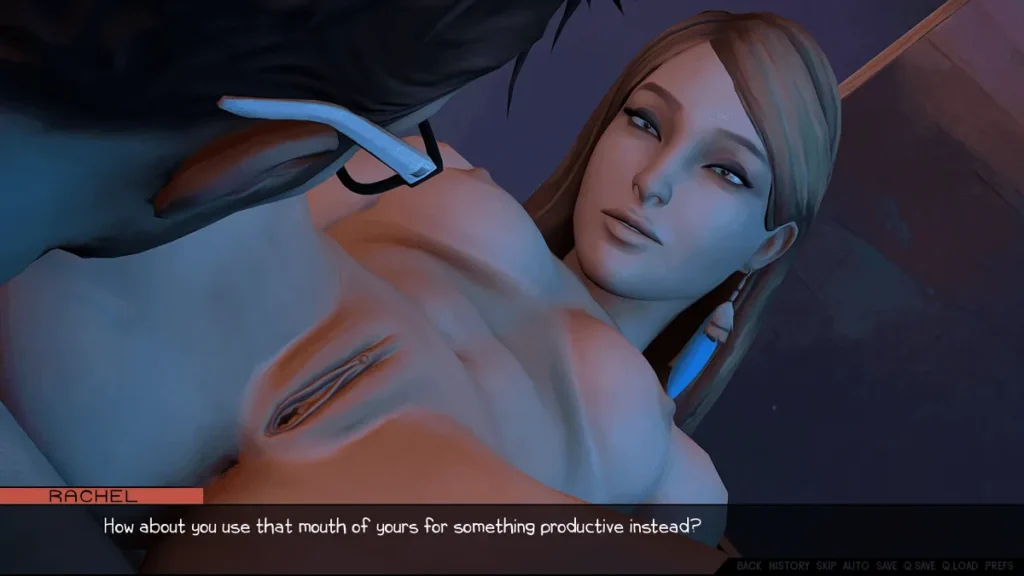
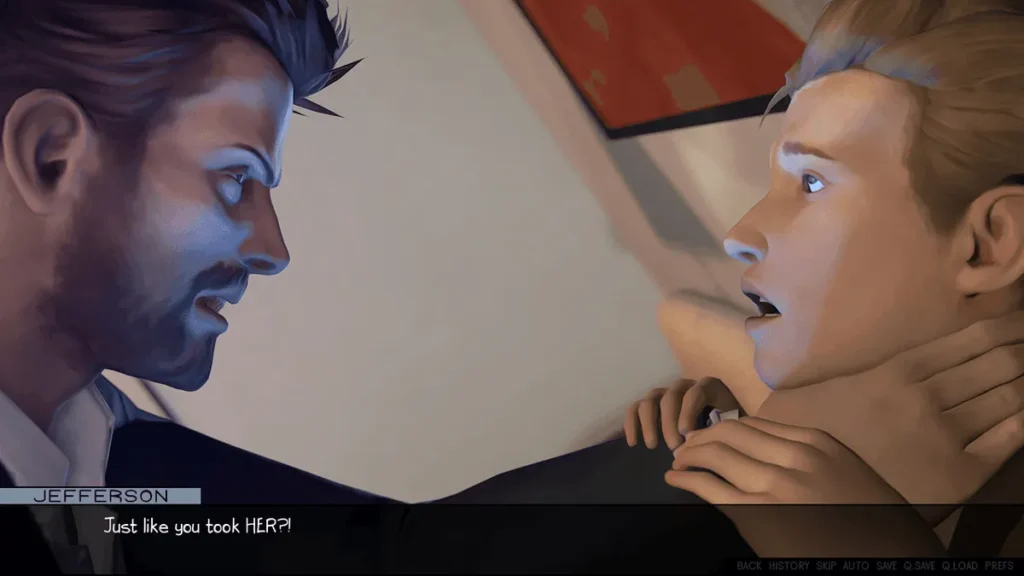
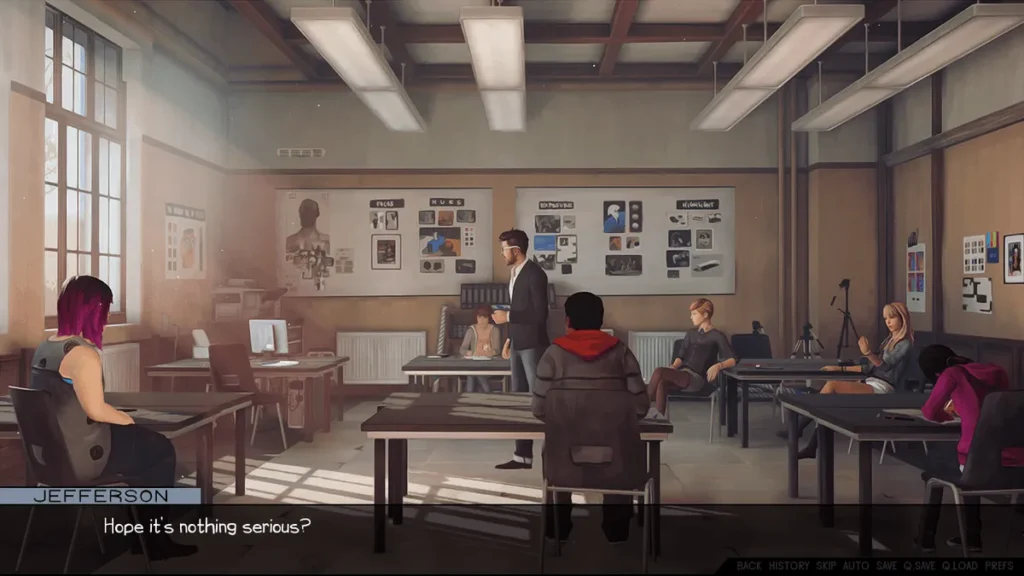
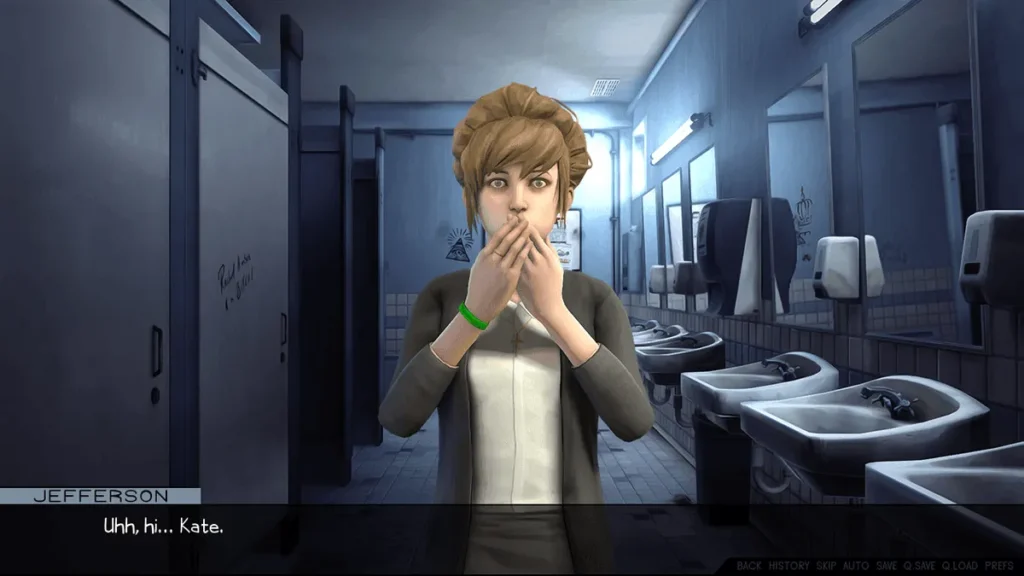
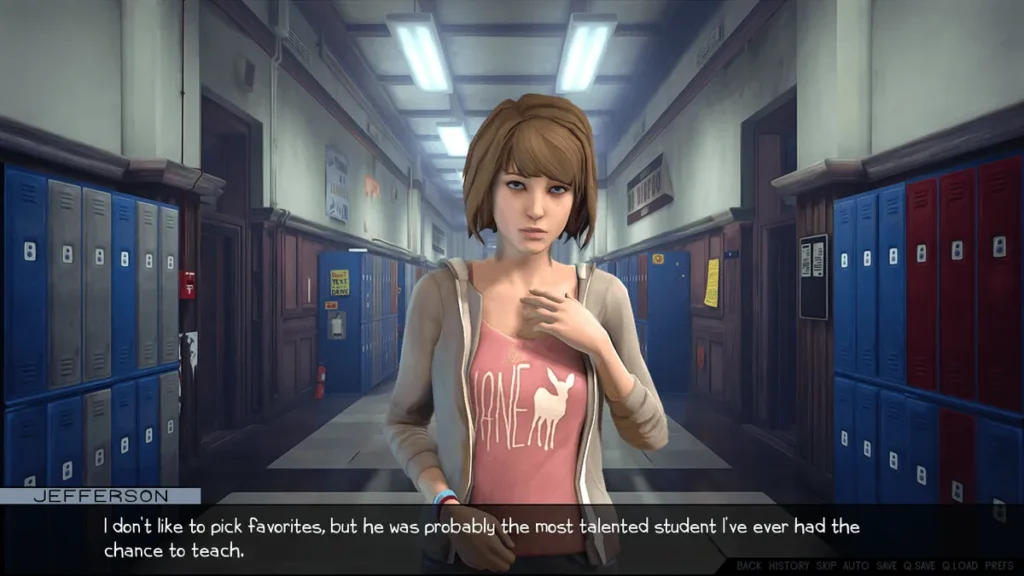
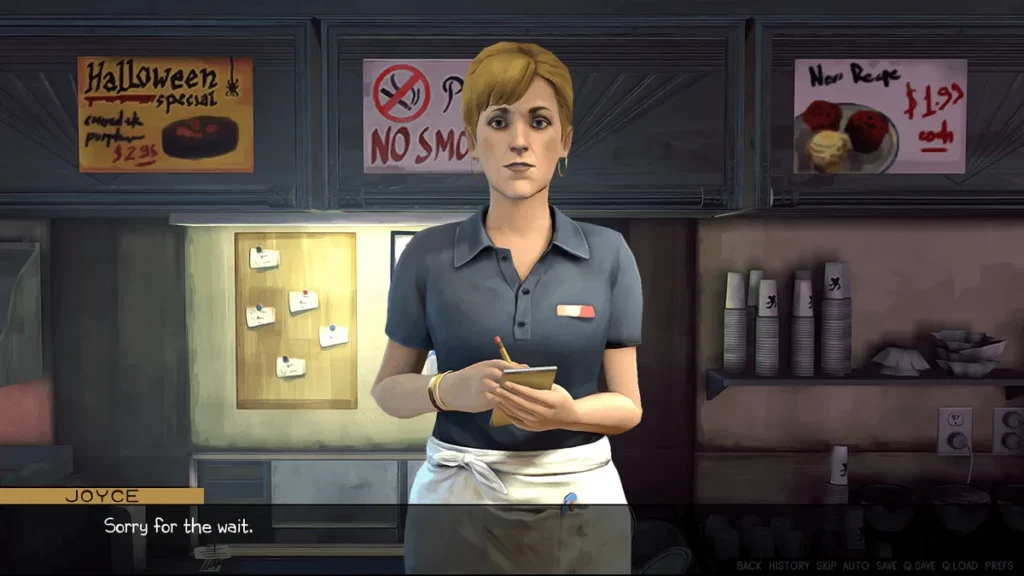
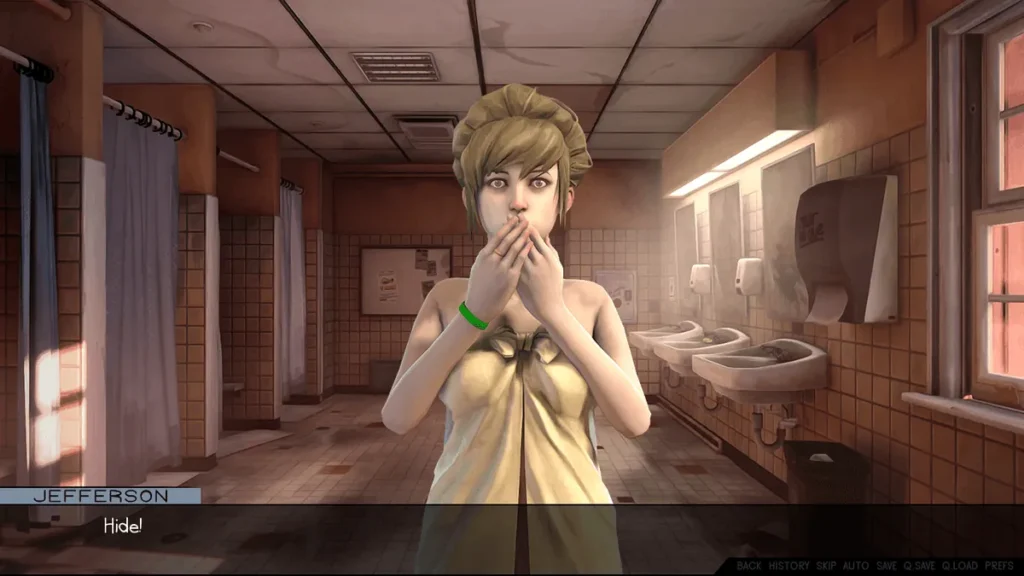
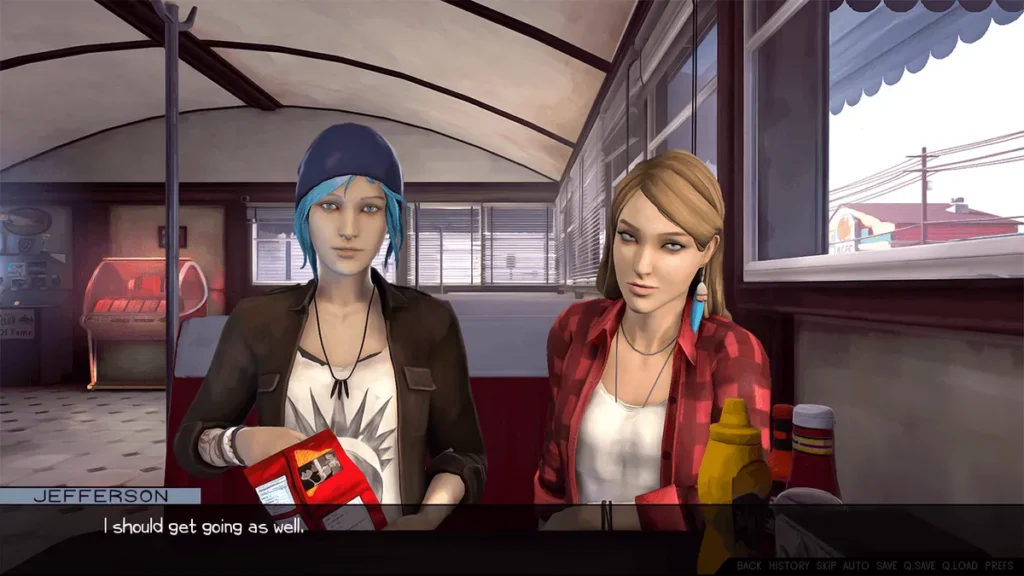
The setting, heavily inspired by the moody Pacific Northwest aesthetic seen in games like Life is Strange, is a character in itself. The visual novel uses its 3DCG graphics and Telltale-style backgrounds to create a poignant atmosphere. The classrooms feel lived-in, the twilight skies over the campus are hauntingly beautiful, and the subdued color palette perfectly matches the story’s tone of melancholy and mystery. It’s a world that invites you to linger, to examine every detail in the background for clues about your predicament.
This isn’t a save-the-world epic. It’s a personal, intimate story about fate, responsibility, and the butterfly effect of our actions. The narrative adventure game structure allows you to explore this premise at your own pace, building relationships with other characters—students, colleagues, and townsfolk—who are all wrapped up in the unfolding mystery. Your journey to clear your name becomes a deep dive into the secrets of a small town and the hidden lives of the people around you.
In essence, Strange Nights uses its supernatural hook to tell a very human story. It asks compelling questions: How far would you go to change your destiny? Does understanding someone’s pain justify your actions? And can you truly escape fate? By weaving these themes into its choice-based gameplay and innovative empathy dominance points system, it creates a visual novel experience that stays with you long after the final choice is made. It’s a testament to how powerful indie game mechanics can be when they are fully in service of a gripping, interactive story.
Strange Nights stands out as a compelling indie visual novel that combines engaging narrative design with meaningful player choice. The game’s empathy and dominance point system creates a dynamic experience where your decisions genuinely impact character relationships and story outcomes. With its supernatural premise, quality graphics, and Telltale-inspired gameplay, Strange Nights offers an immersive adventure for players seeking story-driven experiences. Whether you’re interested in narrative-heavy games or exploring indie titles, Strange Nights delivers a polished gaming experience that respects player agency. Explore this indie gem and discover how your choices shape the fate of the protagonist and those around him.