Play The Swordbearer
The Swordbearer Screenshots
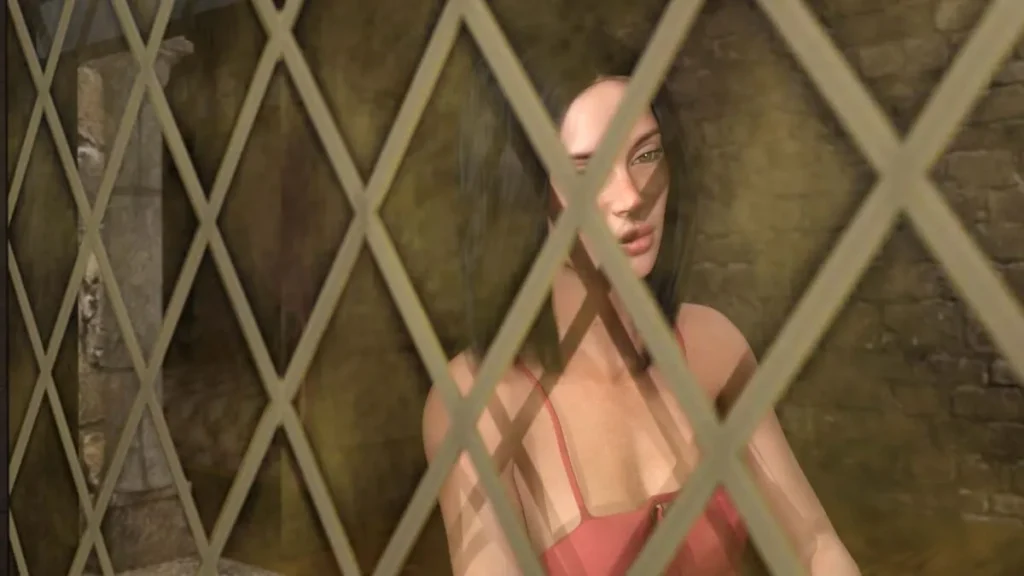


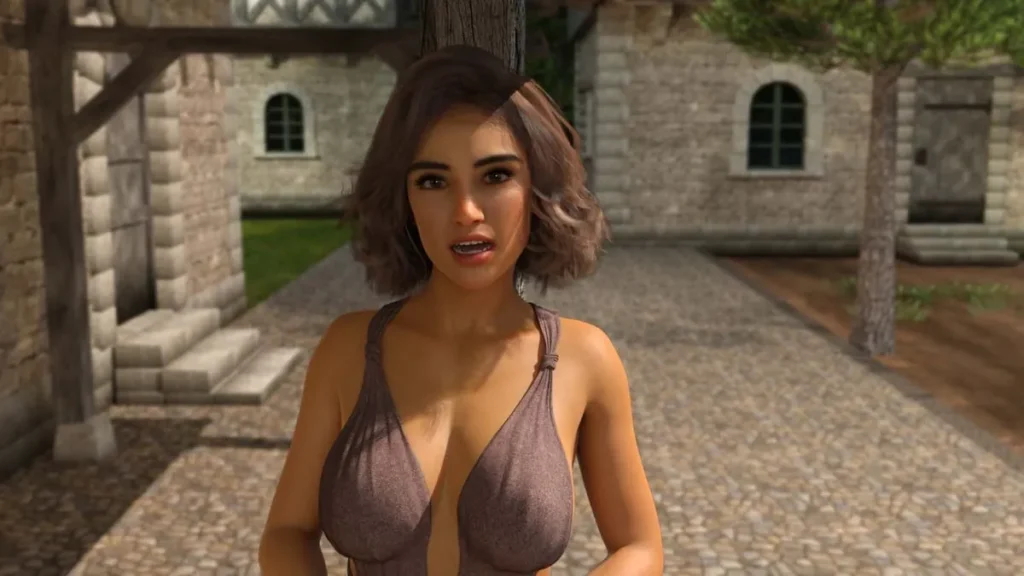

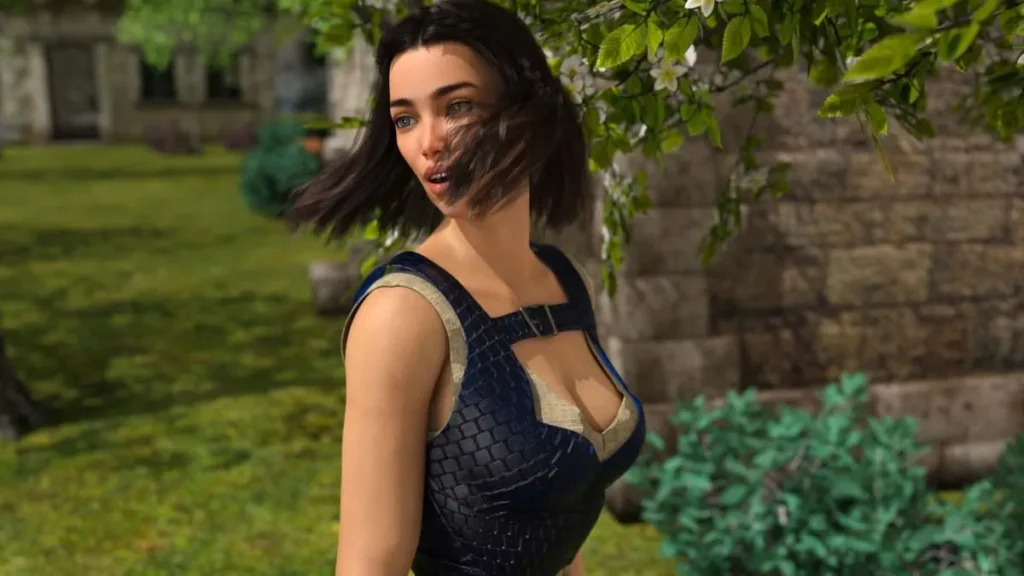




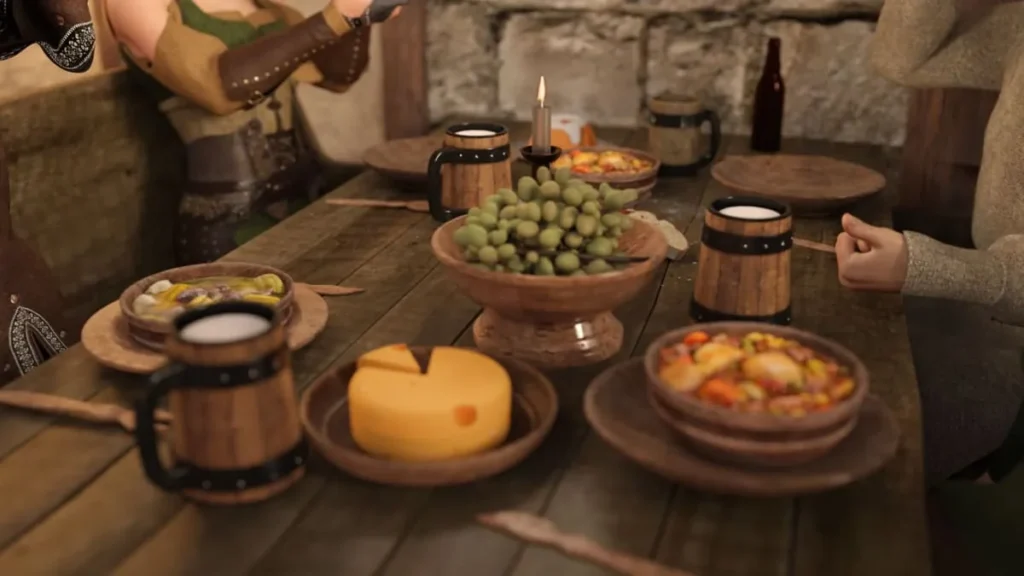

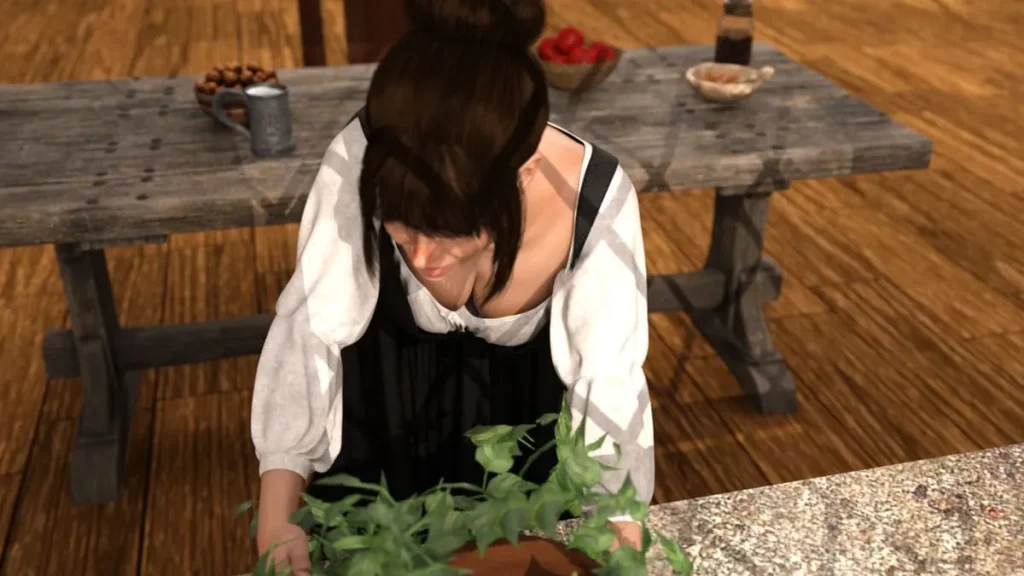
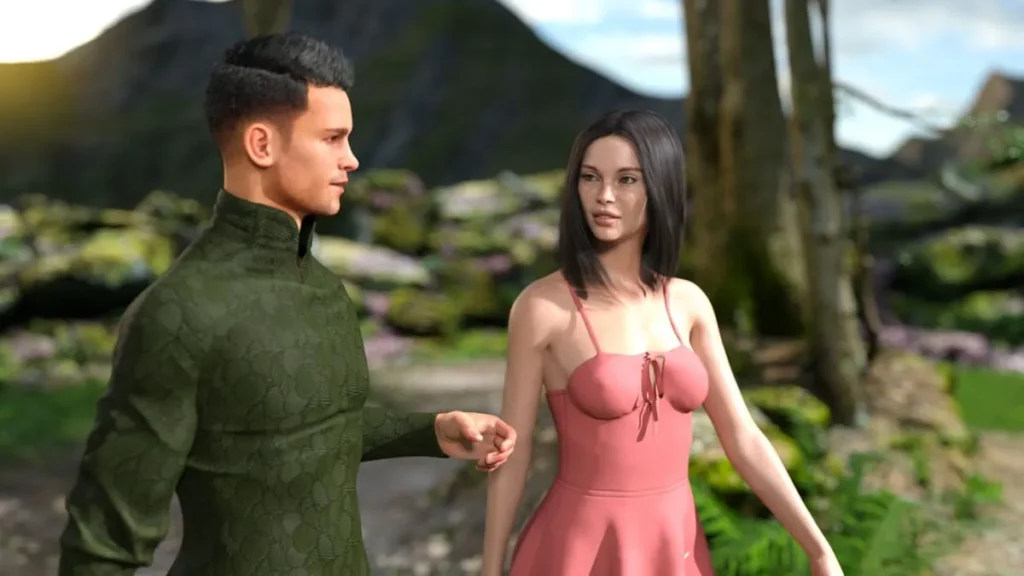
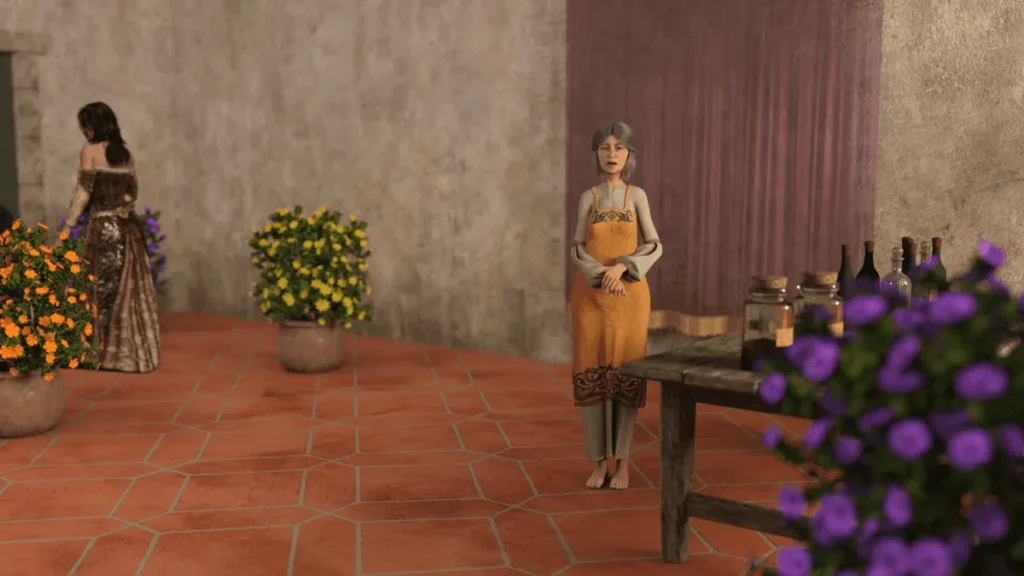
The Swordbearer review
Explore gameplay mechanics, character development, and story progression in this adult visual novel adventure
The Swordbearer Season 1 stands out as a unique entry in the visual novel genre, combining engaging storytelling with impressive visual design. Released in early access on Steam in July 2022, this choice-driven adventure follows a young protagonist who inherits a sword and embarks on a journey to join the prestigious Knights Guild. The game successfully balances humor, character development, and narrative depth while delivering a polished gaming experience. Whether you’re new to visual novels or a seasoned player, understanding what The Swordbearer offers can help you decide if this adventure aligns with your gaming preferences.
Gameplay Experience and Core Mechanics
Alright, let’s get straight into it. You’ve booted up The Swordbearer, ready for a grand fantasy tale, and suddenly you’re dealing with a guild secretary who’s more concerned about her paperwork than a goblin invasion. 😅 That’s the magic of this Knights Guild adventure game—it constantly subverts expectations, blending laugh-out-loud moments with a genuinely compelling plot. But how does it all work? What are the The Swordbearer gameplay mechanics that turn this from a simple story into an experience you feel you’re truly shaping?
Having played through Season 1 multiple times (yes, I have no life, thank you for asking), I can tell you the secret isn’t in flashy combat animations—it’s in the conversations. Your journey is defined by the people you meet at the guild, the allies you befriend (or annoy), and the thousands of tiny choices that ripple outwards. This chapter is your deep dive into that system. We’ll explore how the game’s unique visual novel dialogue system and character interaction mechanics create a choice-driven visual novel that feels both wildly fun and deeply personal.
What Makes The Swordbearer’s Gameplay Unique? 🛡️
Forget grinding for XP or memorizing complex skill combos. The Swordbearer gameplay mechanics are built on a foundation of words, relationships, and consequences. The core loop is brilliantly simple yet infinitely engaging: you, the rookie Swordbearer, operate out of a raucous, dysfunctional Adventurer’s Guild. This hub is the heart of the entire Knights Guild adventure game. From here, you accept missions, which play out as narrative chapters filled with dialogue choices, quick-time events, and critical decisions.
What sets it apart is the tone management. One mission might have you negotiating a tense trade dispute between nobles, while the next has you chasing a “haunted” suit of armor that turns out to be a drunk gnome in a tin can. 🫙 The game’s celebrated humor—like the stubbornly bureaucratic guild master or the bard whose epic ballads are always about minor inconveniences—never undermines the stakes. Instead, it humanizes the world. The comedic timing, often delivered through sharp character banter during otherwise serious scenes, makes the darker plot twists hit harder. You’re not just protecting a generic kingdom; you’re protecting this wonderfully weird, flawed family of adventurers you’ve come to know.
The pacing is brisk and rewarding. You’re never stuck. A playthrough of Season 1 feels like binge-watching a fantastic TV series where you’re the director. Missions are episodic, each offering a clear beginning, middle, and end with meaningful consequences, ensuring you constantly feel a sense of The Swordbearer story progression.
My Pro-Tip: Don’t try to “game” the system on your first playthrough. Go with your gut. The most rewarding moments come from owning your choices, whether they lead to a triumphant victory or a hilariously awkward disaster.
Character Interactions and Dialogue System 💬
This is where The Swordbearer truly shines. Every character, from the gruff veteran knight to the gossipy tavern keeper, feels alive with their own desires, quirks, and secrets. The visual novel dialogue system is your primary tool for navigating this social landscape. It’s deceptively simple on the surface—you’re presented with response options during conversations—but the depth is astonishing.
The genius lies in how choices are framed. You’re rarely picking between obvious “Good / Evil / Sarcastic” options. Instead, you’re choosing attitudes, values, and relationship priorities. For example, when your magical companion is worried about losing control of her powers, you could:
* Reassure her with logic. (Strengthens her trust in your judgment)
* Share a vulnerable story of your own. (Deepens your personal bond)
* Joke about the chaos it could cause. (Lightens the mood, but might make her feel unheard).
These aren’t just flavor text. They directly feed into the character interaction mechanics. Each major character has a hidden relationship meter that tracks your rapport across several axes—Trust, Respect, Affection, and sometimes Rivalry. Your dialogue choices move these needles, unlocking new conversation branches, exclusive scenes, and even altering how characters behave in critical story moments.
| Character | Key Relationship Aspect | How It Affects The Story |
|---|---|---|
| Elara, the Arcane Scholar | Trust & Intellectual Respect | High trust allows her to share crucial plot secrets earlier. High respect may give you access to unique magical solutions to problems. |
| Borin, the Grizzled Captain | Respect & Proven Competence | Earning his respect can lead to him backing your authority in guild disputes. Low respect might see him challenging your leadership at a key moment. |
| Kaelen, the Rogueish Scout | Affection & Shared Humor | Building a personal connection can lead to him offering illicit “off the books” help during missions. A purely professional relationship keeps things strictly business. |
This system creates incredible replay value. On one playthrough, you might have a fiery romance with the stoic elven archer. On the next, you might become drinking buddies with the dwarf, unlocking a whole subplot about clan politics you never saw before. The narrative branching in visual novels is at its best here—not just creating a “good” and “bad” ending, but crafting dozens of unique story threads that feel specifically tailored to your version of the protagonist.
Progression and Decision-Making Elements ⚖️
So, how does all this talking and relationship-building actually move the story forward? The Swordbearer story progression is a masterclass in making you feel the weight of your decisions without overwhelming you with a sprawling, impossible-to-follow map.
Your progression is tracked through two main lenses: the Central Plot and your Personal Guild Chronicle. The main plot is the big, world-threatening mystery that unfolds mission by mission. It’s always moving forward, but how it unfolds—who lives, who dies, which factions ally with you—is entirely in your hands. The Personal Guild Chronicle is your scrapbook. It fills with entries about your relationships, completed side-quests, guild reputation, and discovered secrets. This is your tangible record of the unique story you’ve woven.
The decision-making is both macro and micro. A macro decision might be choosing which major mission to take on first at the guild board, potentially altering the order you uncover clues and meet allies. But the micro decisions are just as powerful. Let me give you that specific example I promised.
Example: The Goblins of Grimwood Forest
Early on, you’re sent to deal with goblin raiders. During the investigation, you find a scared goblin runt separated from its pack.
* Choice A: Show mercy and let it go. This act is witnessed by a hidden forest spirit. Later, when you face the goblin chieftain, the spirit might intervene to calm the situation, allowing for a peaceful resolution that leaves the forest protected.
* Choice B: Drive it off aggressively. The spirit remains hidden and hostile. The final confrontation with the chieftain is a brutal fight. You win, but the guild takes casualties, and the forest remains a place of tension.
* Choice C: Bring it back to the guild as a “prisoner.” This unlocks a bizarre but charming side-story where the goblin becomes the guild’s unwilling mascot, leading to unique comedic scenes and an unexpected source of intel on monster movements later.
See? One small, seemingly inconsequential interaction can reroute an entire mission’s outcome and unlock content you’d otherwise never see. This is the essence of a true choice-driven visual novel.
The game expertly balances this main plot with side activities—helping guild members with personal problems, participating in festival games, hunting for legendary recipes for the cook. These aren’t filler; they’re the glue that builds the world and your place in it. You stay engaged because every interaction, big or small, has the potential to matter. Whether you’re unearthing a conspiracy or just trying to win the annual pumpkin carving contest 🎃, you’re constantly shaping your legacy.
In the end, The Swordbearer understands that the most powerful weapon in a fantasy adventure isn’t a magic sword—it’s the connections you forge and the choices you own. Its gameplay mechanics empower you to tell your own story within its rich, hilarious, and sometimes heartbreaking world. So walk into that guild hall, grab a quest, and start talking. Your unique adventure is waiting.
The Swordbearer Season 1 represents a well-crafted entry in the visual novel genre that successfully combines engaging storytelling with impressive technical presentation. The game’s strength lies in its ability to balance humor and serious narrative elements, creating a charming experience that keeps players invested in the protagonist’s journey. From the polished character animations to the meaningful dialogue choices that shape your adventure, The Swordbearer delivers a comprehensive gaming experience that appeals to both newcomers and experienced visual novel enthusiasts. The abundance of content and multiple story branches ensure that players have reasons to return for additional playthroughs, discovering new scenes and character interactions along the way. If you’re seeking a visual novel that doesn’t take itself too seriously while still maintaining a compelling plot, The Swordbearer Season 1 offers an entertaining escape into a world of adventure and character-driven storytelling.