Heart Problems
Play Heart Problems
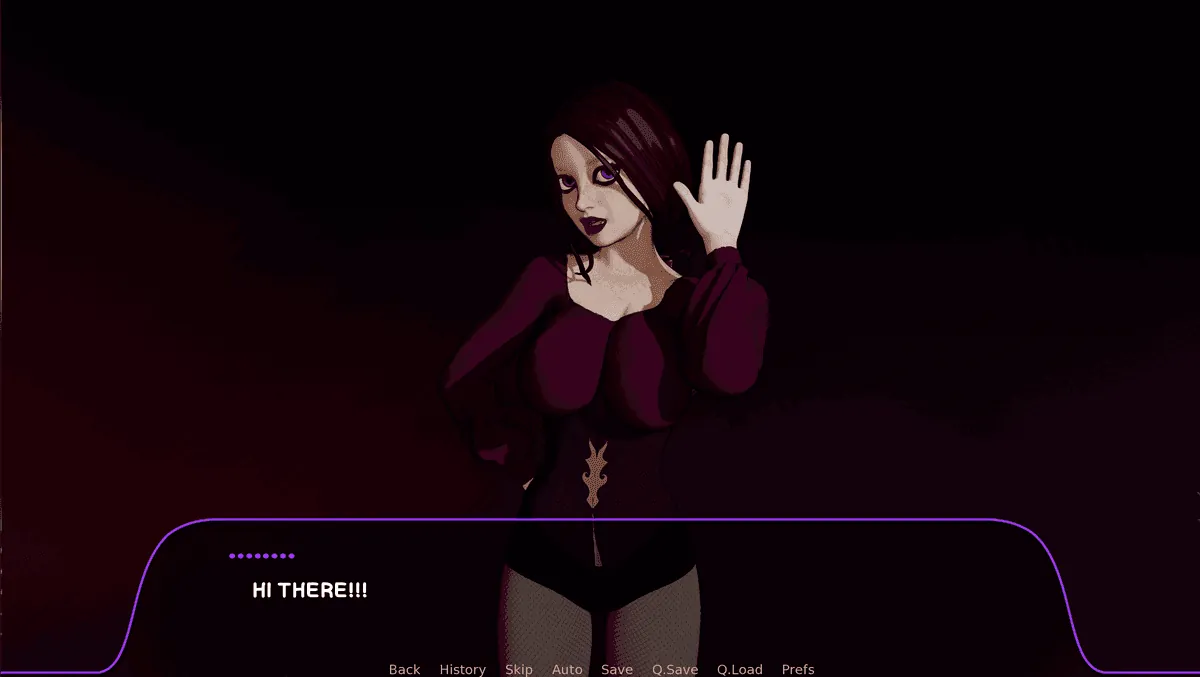
Heart Problems Screenshots
















Heart Problems review
A Deep Dive Into Xenorav’s Immersive Adult Visual Novel Experience
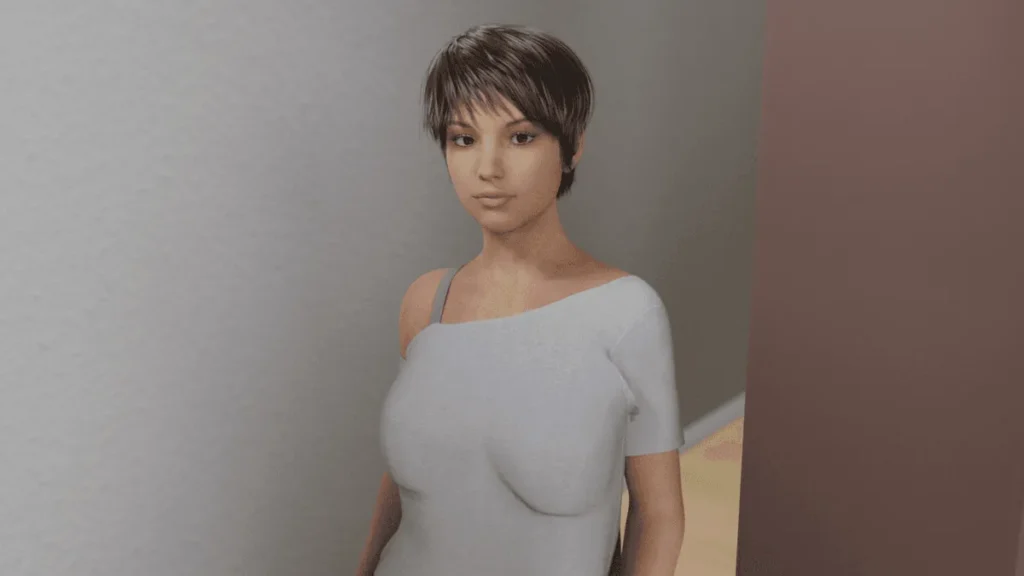
Heart Problems stands out as a unique entry in the adult visual novel genre, developed by Xenorav and currently at version 0.9. This immersive experience combines emotional storytelling with interactive gameplay, following protagonist Iker as he navigates complex family dynamics and personal growth. Unlike typical games in this category, Heart Problems weaves together themes of abandonment, belonging, and intimate relationships with meaningful character development. Whether you’re drawn to narrative-driven experiences or interactive choice-based gameplay, this visual novel offers a compelling journey that explores the intersection of emotional vulnerability and human connection. The game has garnered attention for its realistic graphics, dynamic decision-making system, and willingness to tackle mature themes with nuance and depth.
Understanding the Heart Problems Narrative: Plot, Characters & Themes
Ever find yourself scrolling through adult games, feeling like they’re all flash and no substance? 😩 You know the ones—where the story feels like an afterthought, a flimsy excuse to get from one scene to the next. I used to think that was just the way it was, until I stumbled into the world of Heart Problems. This isn’t your typical click-through experience; it’s a masterclass in how mature themes and profound storytelling can coexist. The Heart Problems game plot isn’t just a framework; it’s the pulsating, vulnerable core of the entire experience.
At its heart, this is a story about the scars we carry and the families we choose. It pulls you in not with outrageous action, but with the quiet, powerful drama of everyday life and suppressed emotions. If you’re hungry for an adult visual novel storyline with real weight, where every glance and conversation matters, then you’ve come to the right place. Let’s pull back the curtain on the narrative that has players so emotionally invested.
The Central Story: Iker’s Journey of Abandonment and Discovery
The Heart Problems game plot begins with a wound that never fully healed. We meet Iker, a young man who was abandoned by his biological mother at the painfully vulnerable age of 12. 😔 Imagine that pivotal moment in childhood, where the world should feel safe, shattered by the person who was supposed to be your ultimate protector. This foundational trauma isn’t just backstory; it’s the engine for all the Iker character development to come. He’s not a blank slate hero, but a complex individual shaped by a deep-seated fear of being left behind again.
Luckily, Iker wasn’t left completely alone. His uncle Davie swooped in, becoming his rescuer and guardian. Davie offers Iker a new home, a new family, and a chance at stability. This act of salvation is the first step in a long, slow process of healing. The game doesn’t rush this. We see Iker grow from a wounded boy into a young adult, all within the confines of this makeshift household. The central mystery of his mother’s disappearance simmers in the background, a ghost that haunts his progress. Uncovering clues about her isn’t about grand detective work; it’s often tied to mundane objects or passing comments, making the discovery process feel personal and deeply integrated into his daily life.
What truly defines the Heart Problems game plot is its “slow-burn” pacing. This isn’t a story told through epic battles or car chases. It’s told through shared meals around the dinner table, hesitant conversations in the living room, and those loaded, silent moments where a glance says more than words ever could. 👀 The narrative understands that intimacy is built in the quiet spaces between people. This approach makes every interaction feel significant, and it’s why the adult visual novel storyline resonates so powerfully. The mature elements don’t feel tacked on; they feel like a natural, if complicated, outgrowth of the deep connections and tensions being fostered.
Character Dynamics: Family Relationships and Emotional Complexity
If the plot is the skeleton, the characters are the heart and soul. The visual novel character relationships in Heart Problems are a beautifully tangled web of duty, desire, and unspoken affection. This is where the game’s promise of emotional depth gaming is fully realized.
Let’s break down this complicated family unit:
* Uncle Davie: The rock. He’s the steadfast father figure whose unconditional support provides the stable ground Iker desperately needs. Their relationship is the bedrock of the story, a pure bond of gratitude and familial love.
* The Aunt (Your Step-Mother Figure): Here’s where things get nuanced. She is Davie’s wife, and her role in Iker’s life is complex. She’s not a villain, but her presence can feel like a barrier, a reminder that Iker’s place in this family is, technically, through adoption. Her interactions with Iker are layered with the subtle tensions of integrating an outsider into an established family dynamic.
* Kylie & Mia (Your Cousins): The two young women who become central to Iker’s world. They aren’t mere love interests; they are individuals with their own personalities, dreams, and complexities. Kylie might be more outgoing and playful, while Mia could be more reserved and thoughtful. The family dynamics visual novel excels at showing how Iker’s relationships with each cousin develop uniquely—through inside jokes, shared confidences, and the electric awareness that the familial label is at odds with their growing adult feelings.
This is where your agency comes in. The interactive narrative choices you make are subtle but monumental. Do you offer to help Kylie with a chore, sparking a private conversation? 🧹 Do you choose to sit next to Mia on the couch, creating a moment of quiet proximity? Do you confront a painful memory or shy away from it? Every dialogue option and action nudges these visual novel character relationships in different directions. You’re not just choosing a romantic path; you’re actively participating in Iker’s therapy, guiding how he opens up, who he trusts, and which bonds he strengthens. This level of control is what forges a powerful emotional depth gaming experience. You’re not watching Iker’s life; you’re carefully helping him rebuild it.
Thematic Elements: What Makes This Visual Novel Unique
So, what elevates Heart Problems from a simple story to a memorable experience? It’s the fearless exploration of mature, human themes. This game is about belonging. Iker’s entire journey is a search for a place where he is truly wanted, not out of obligation, but out of genuine connection. It’s about vulnerability—the terrifying act of letting new people see the scars left by the old ones.
It delves into the complexity of family bonds, questioning what defines family: is it blood, or is it the choice to show up, day after day, with love and support? And yes, it explores forbidden desires, but it does so with a startling sensitivity. These aren’t salacious moments for their own sake. They are portrayed as the confusing, often guilt-ridden, culmination of years of close proximity, shared history, and deep emotional reliance. The mature content feels like a piece of the character development puzzle, not the prize at the end of it.
This unique approach is what truly sets the game apart. To see it clearly, let’s compare it to what you might find in a more traditional offering.
| Narrative Element | Traditional Adult Games | Heart Problems |
|---|---|---|
| Primary Focus | Often on physical encounters and titillation as the main goal. | On emotional journey, character psychology, and relationship building as the core drive. |
| Character Development | Characters may serve archetypal roles (the neighbor, the boss) with limited backstory. | Deep, multi-layered Iker character development and complex family histories that motivate every action. |
| Thematic Depth | Themes are often simple or secondary to the main appeal. | Central exploration of trauma, belonging, and the messy lines between family and love. |
| Pacing | Fast-paced, aiming to quickly reach adult scenarios. | Slow-burn, focusing on the tension and connection built through everyday interaction. |
| Player Choice Impact | Choices may unlock different scenes or endings, but with less narrative consequence. | Interactive narrative choices directly shape relationships, trust, and the story’s emotional outcome. |
Ultimately, playing Heart Problems is an exercise in emotional investment. 🤝 You stop thinking about “winning” and start worrying about Iker’s well-being. You feel the weight of his past, the warmth of Davie’s support, and the complicated thrill of his growing connections. The family dynamics visual novel framework becomes a vessel for a story that is as much about healing and finding your place in the world as it is about romance. It proves that an adult visual novel storyline can be thoughtful, artful, and linger in your mind long after you’ve closed the game, not because of what you saw, but because of what you felt.
Heart Problems represents a thoughtful approach to adult visual novel design, successfully blending emotional narrative depth with interactive gameplay. Through Iker’s journey of abandonment, belonging, and self-discovery, the game demonstrates that mature content can serve meaningful storytelling rather than exist for shock value alone. The combination of realistic graphics, carefully crafted soundtrack, and branching narrative system creates an immersive experience that respects player agency while delivering compelling character development. With solid community ratings and recognition for its writing quality and emotional complexity, Heart Problems stands apart from typical entries in the genre by treating its audience as adults capable of appreciating nuance. Whether you’re interested in narrative-driven experiences, character-focused storytelling, or interactive choice systems, Heart Problems offers a substantial gaming experience worth exploring. The game’s success lies not just in its mature themes, but in how thoughtfully it weaves those elements into a cohesive story about human connection, vulnerability, and the search for belonging.